
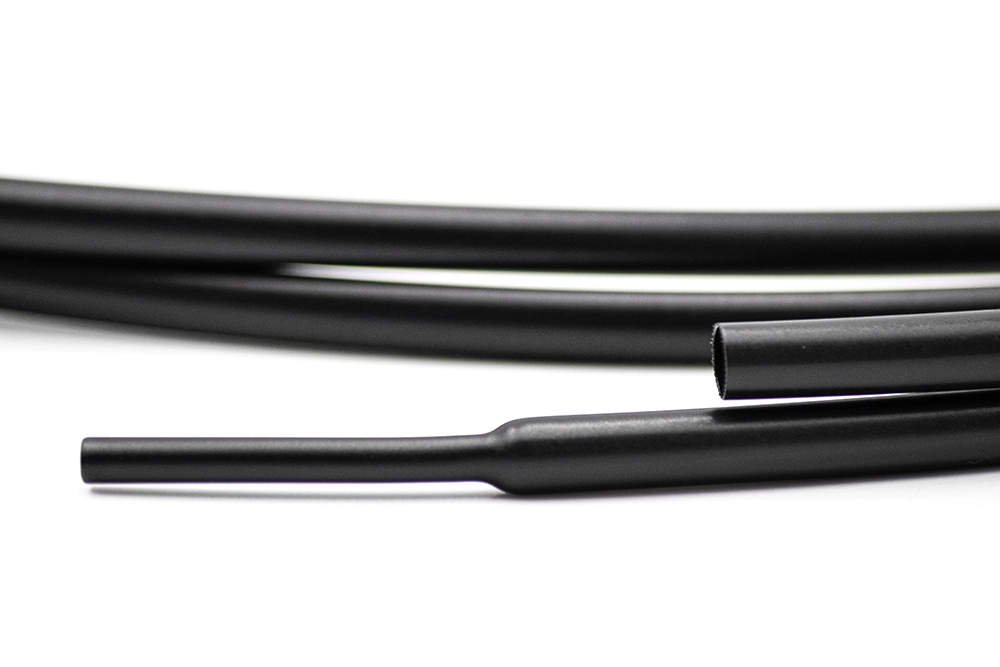
 BP 105Heat-shrink tubing2:1-55 °C to 105 °C
Products
Heat-shrink tubing
Our heat-shrink tubing range – filter by technical properties, pick a size and add the article to your inquiry basket.
45 articles
BP 105Heat-shrink tubing2:1-55 °C to 105 °C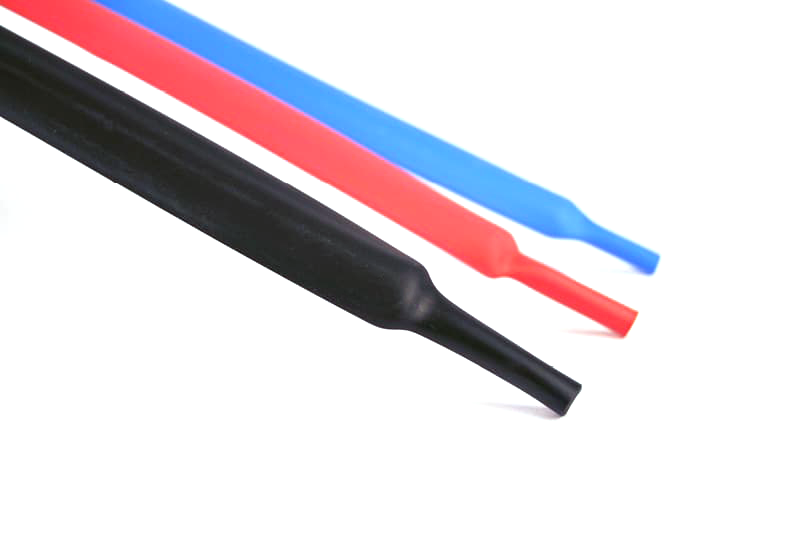 BP 125Heat-shrink tubing2:1-55 °C to 125 °C
BP 125 halogen-free heatshrinkable tubing
BP 125 · Polyolefin
Ø 1.2 – 150.0 mm
Thin-wallFlame-retardant20 sizes
Details & inquiry
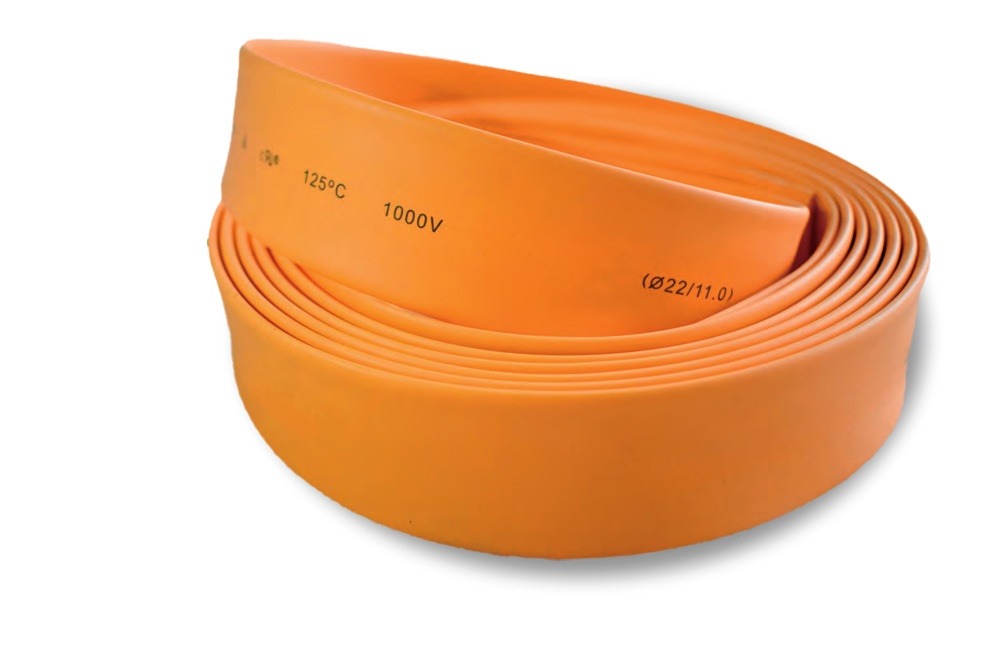 BP 125 HVHeat-shrink tubing2:1-55 °C to 125 °C
1000V heatshrink - BP 125 HV - for electric vehicles
BP 125 HV · Polyolefin
Ø 15.0 – 45.0 mm
1000 VFlame-retardant9 sizes
Details & inquiry
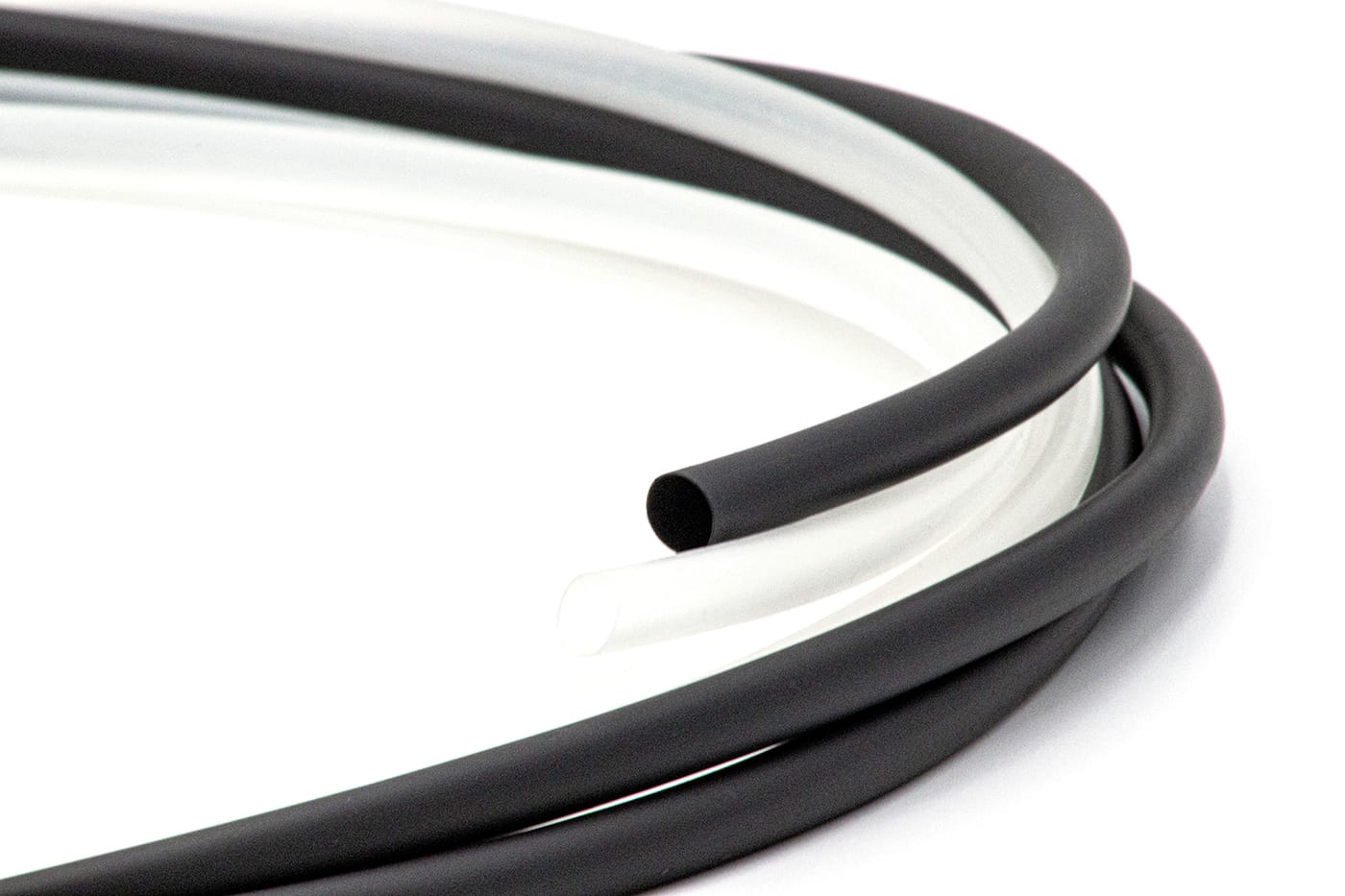 BP 135Heat-shrink tubing2:1-55 °C to 135 °C
BP 135 - UL 224 shrinkable tubing
BP 135 · Polyolefin
Ø 1.2 – 150.0 mm
Thin-wallFlame-retardant18 sizes
Details & inquiry
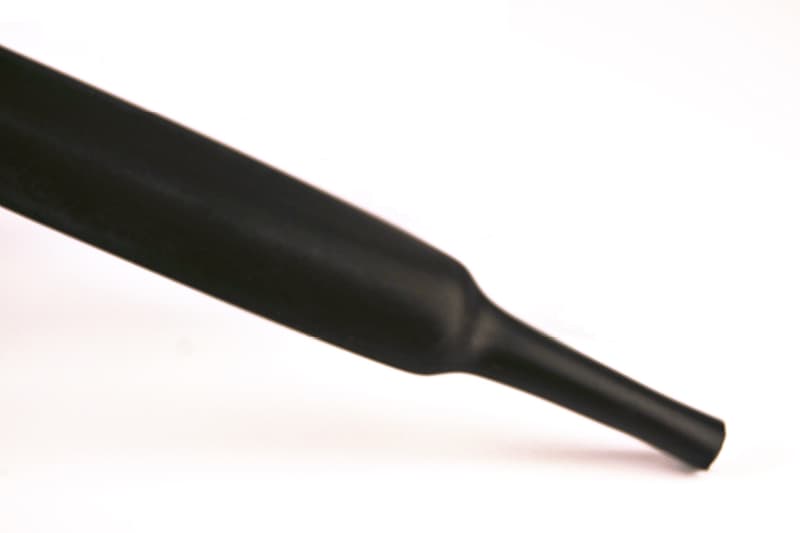 BP 135 VW-1Heat-shrink tubing2:1-55 °C to 135 °C
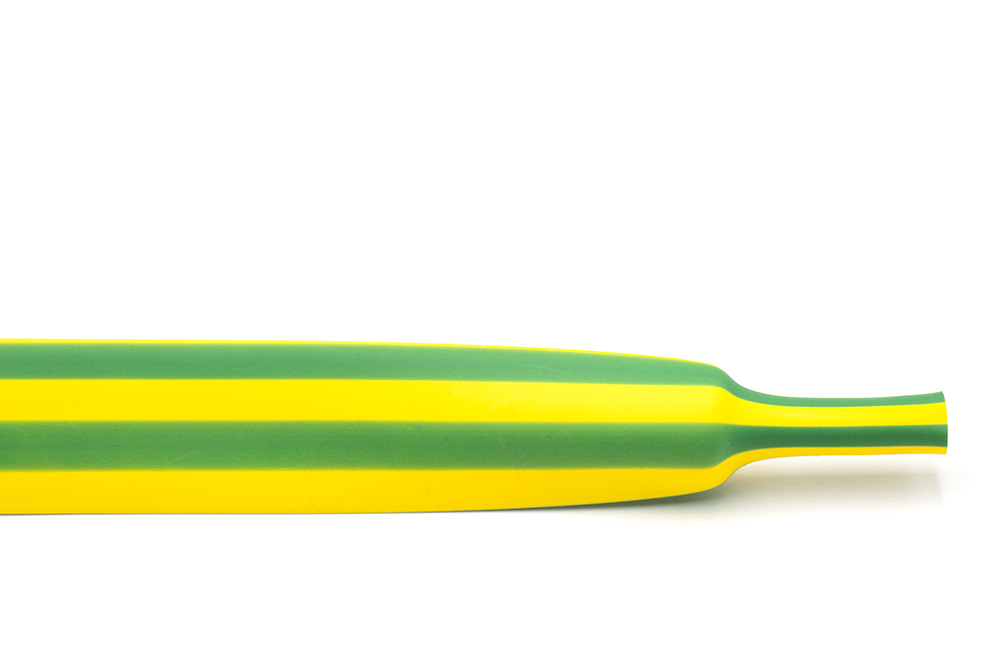 BP 135 GE/GRHeat-shrink tubing2:1-55 °C to 135 °C
BP 135 GE/GR - heatshrink tubing yellow green
BP 135 GE/GR · Polyolefin
Ø 1.2 – 101.6 mm
Thin-wallFlame-retardant15 sizes
Details & inquiry
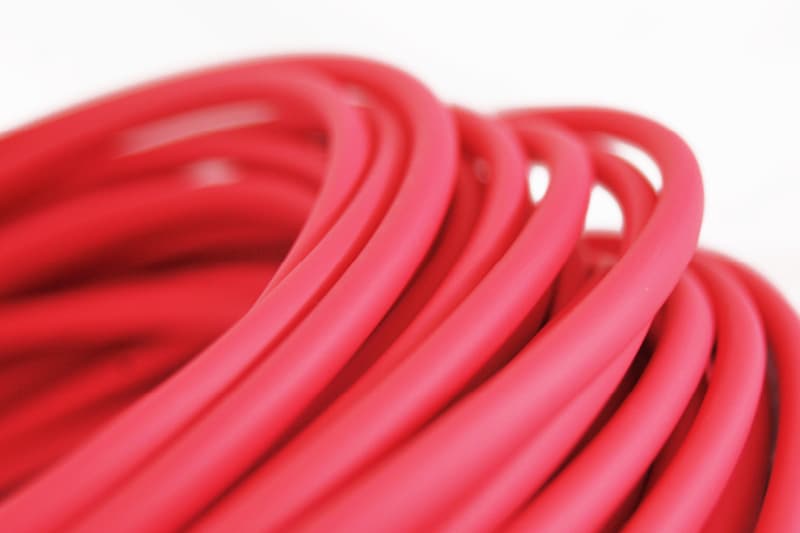 BP 300Heat-shrink tubing3:1-55 °C to 135 °C
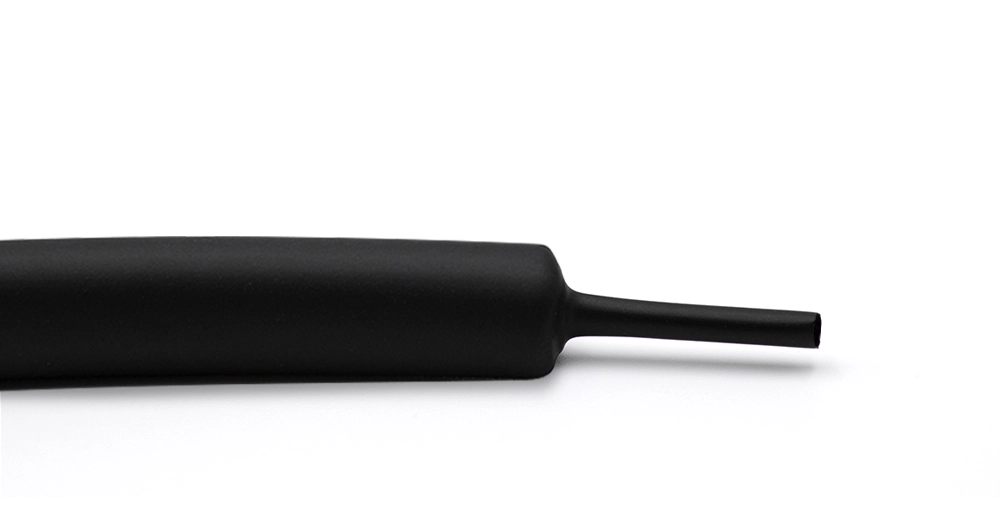 BP 400Heat-shrink tubing4:1-55 °C to 125 °C
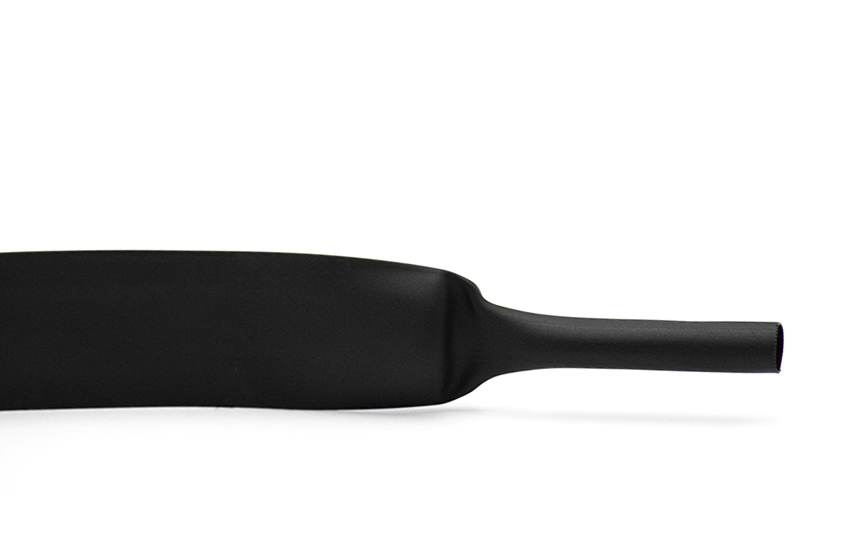 BPUTWHeat-shrink tubing2:1-55 °C to 125 °C
BPUTW - ultra thin heatshrink
BPUTW · Polyolefin
Ø 0.7 – 61.0 mm
Thin-wallFlame-retardant30 sizes
Details & inquiry
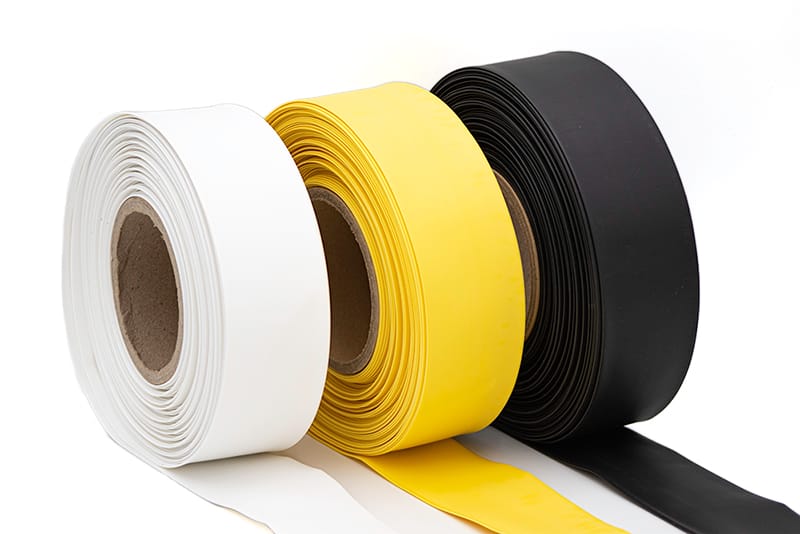 BPIMS 300Heat-shrink tubing3:1-55 °C to 135 °C
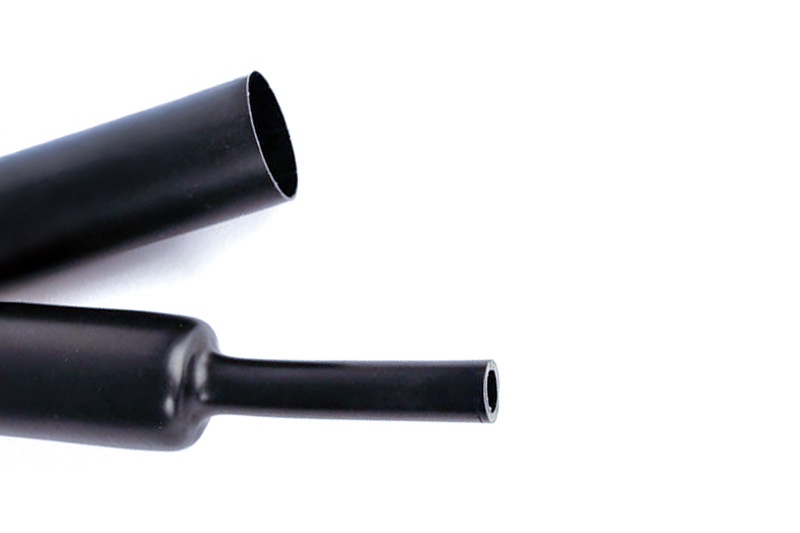 BPMWHeat-shrink tubing3:1-55 °C to 110 °C
BPMW heatshrink tubing UV resistant
BPMW · Polyolefin
Ø 9.0 – 350.0 mm
High shrink ratioMedium-wall22 sizes
Details & inquiry
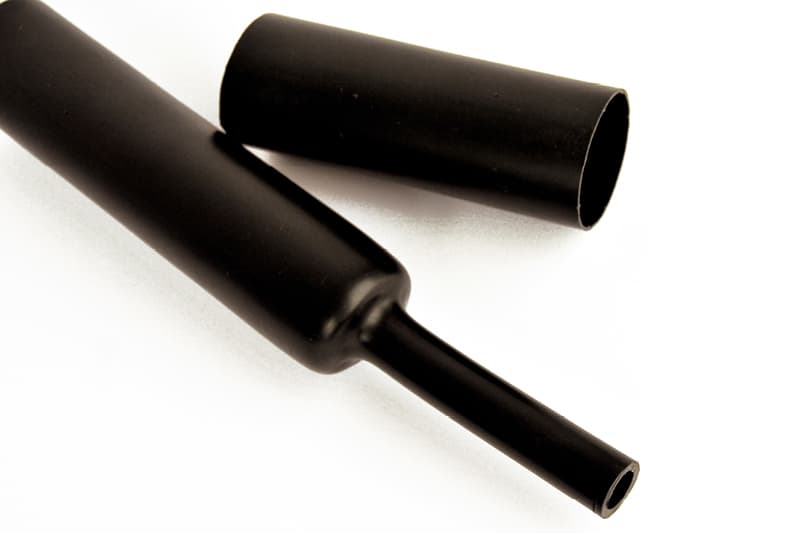 BPTWHeat-shrink tubing3:1-55 °C to 110 °C
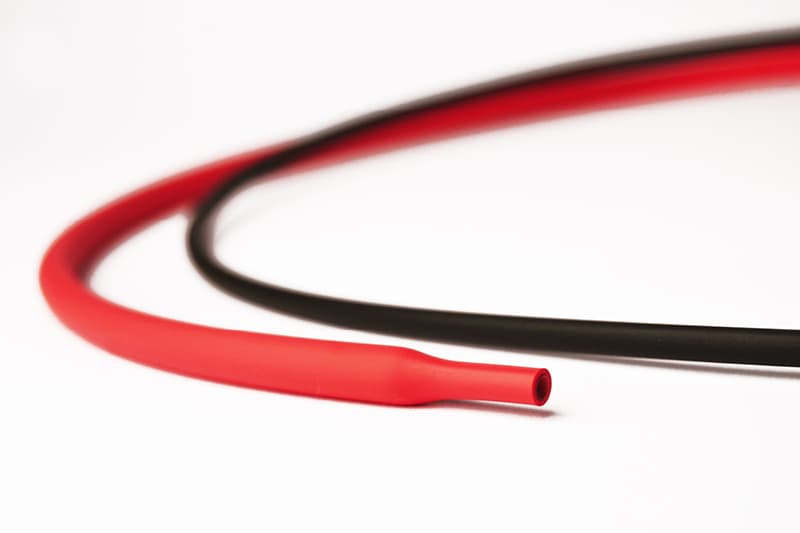 BPDW 100Heat-shrink tubing3:1-55 °C to 125 °C
BPDW 100
BPDW 100 · Polyolefin
Ø 3.0 – 39.0 mm
Flame-retardantHigh shrink ratio8 sizes
Details & inquiry
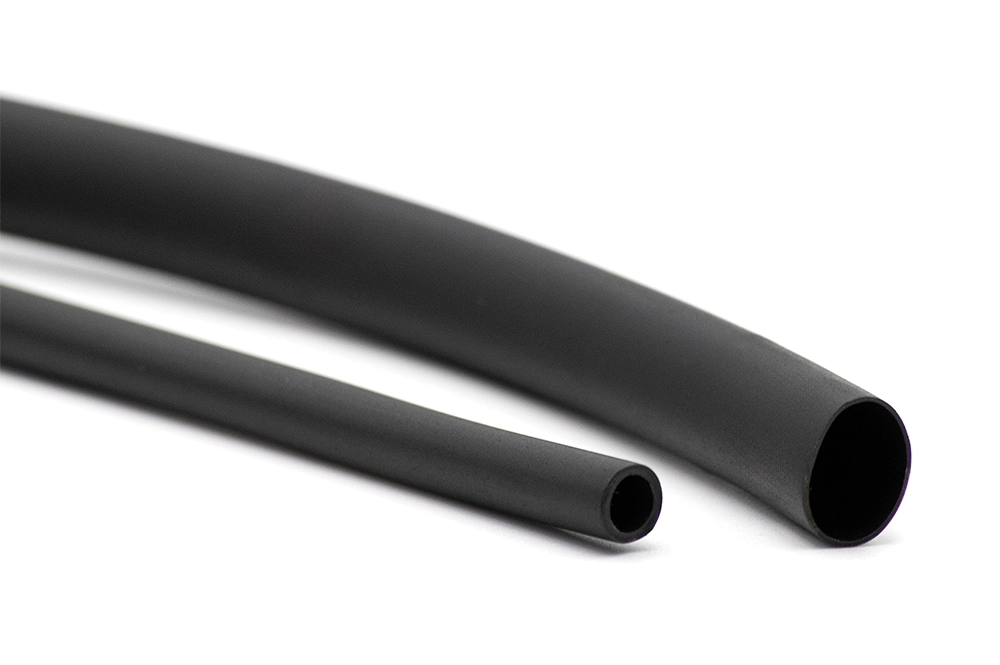 BPDW 102Heat-shrink tubing2:1-55 °C to 125 °C
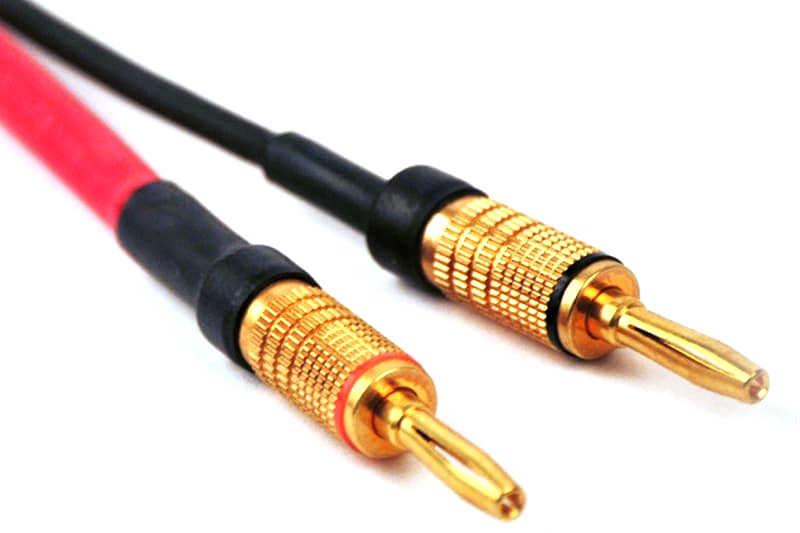 BPDW 104Heat-shrink tubing4:1-55 °C to 125 °C
BPDW 104
BPDW 104 · Polyolefin
Ø 4.0 – 52.0 mm
Flame-retardantHigh shrink ratio7 sizes
Details & inquiry
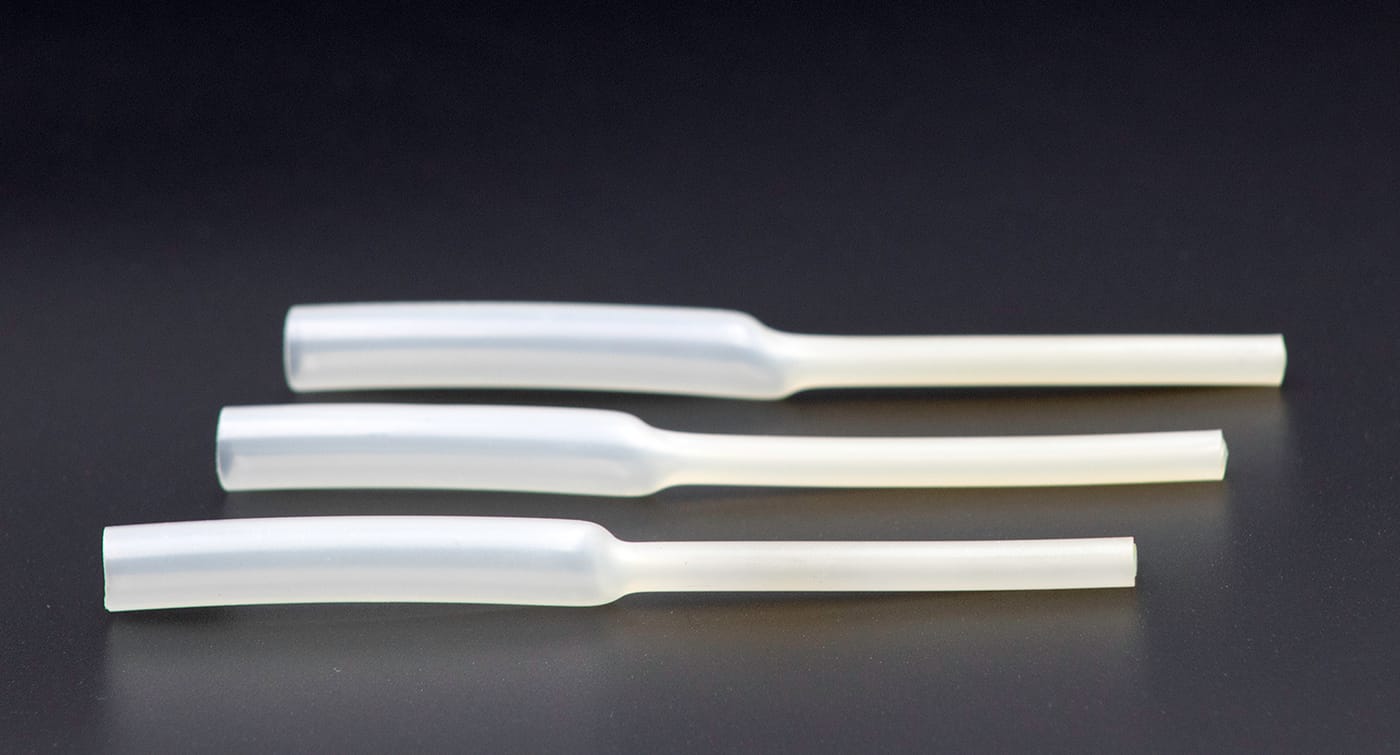 BPBKHeat-shrink tubing5:1-40 °C to 125 °C
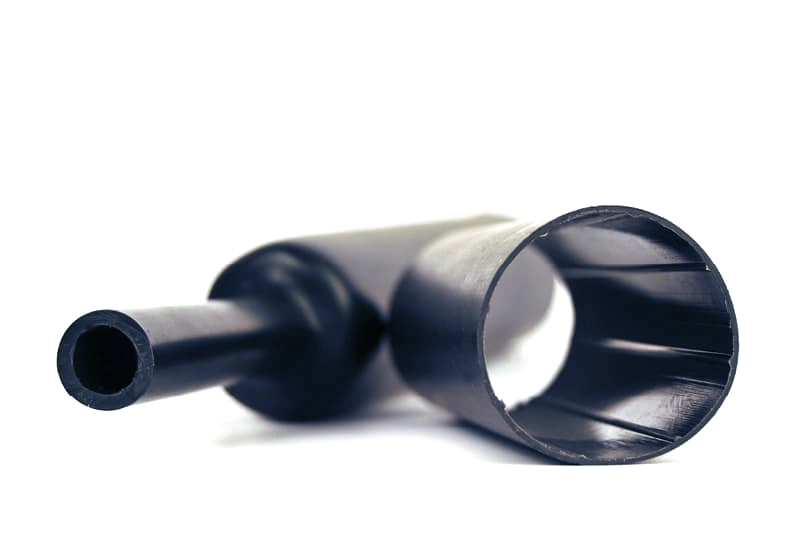 BPMW AHeat-shrink tubing3:1-55 °C to 110 °C
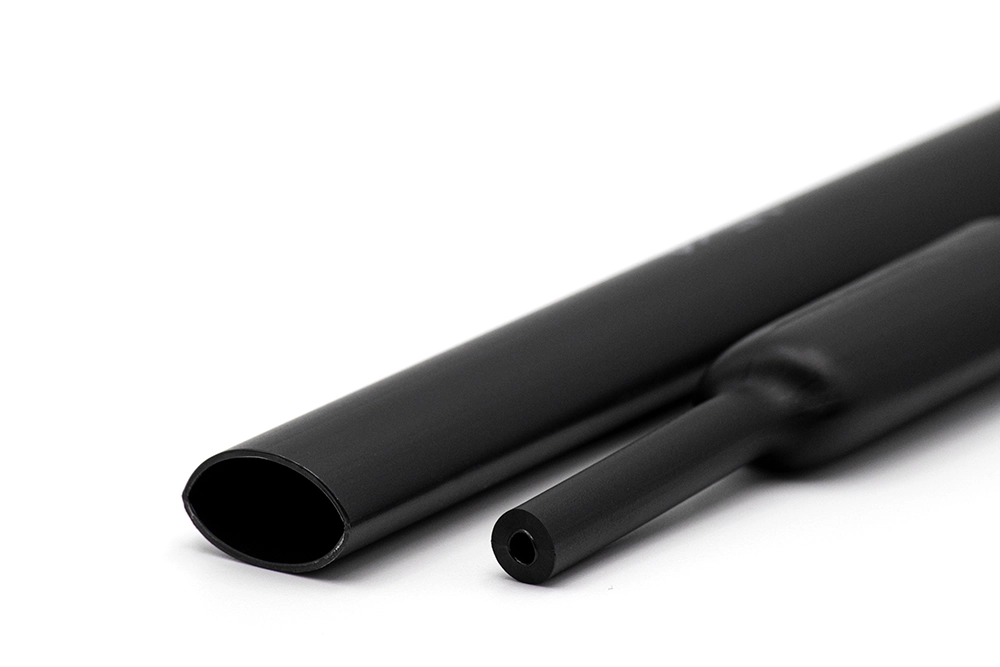 BPTW AHeat-shrink tubing3:1-55 °C to 110 °C
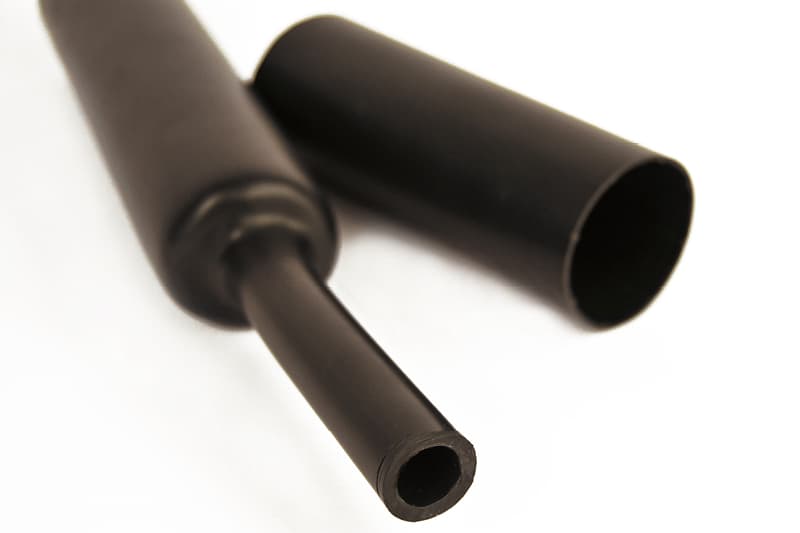 BPHW AHeat-shrink tubing6:1-55 °C to 110 °C
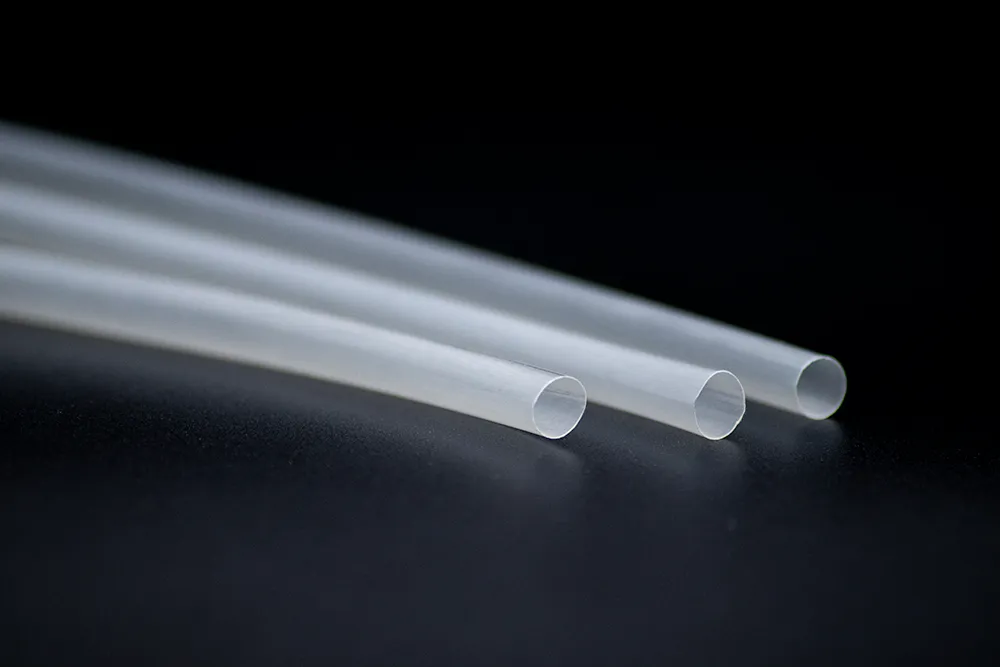 BPVDF 175 KYNAR®Heat-shrink tubing2:1-55 °C to +175 °C
KYNAR heatshrink - BPVDF 175 KYNAR®
BPVDF 175 KYNAR® · PVDF (KYNAR®)
Ø 1.2 – 38.1 mm
Thin-wallFlame-retardant11 sizes
Details & inquiry
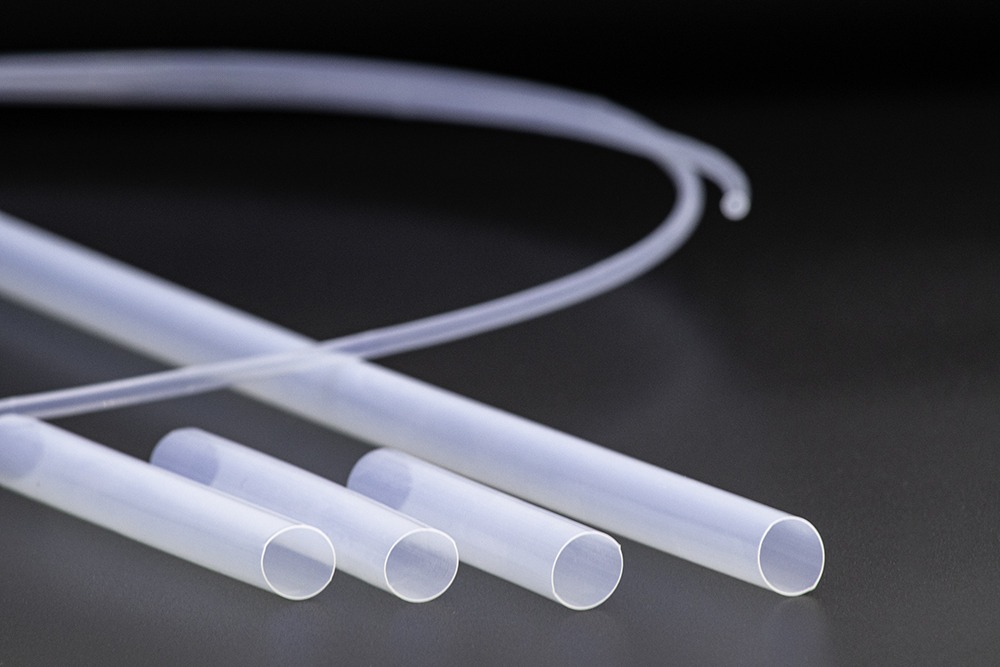 PTFE 200 AWGHeat-shrink tubing2:1-67 °C to 260 °C
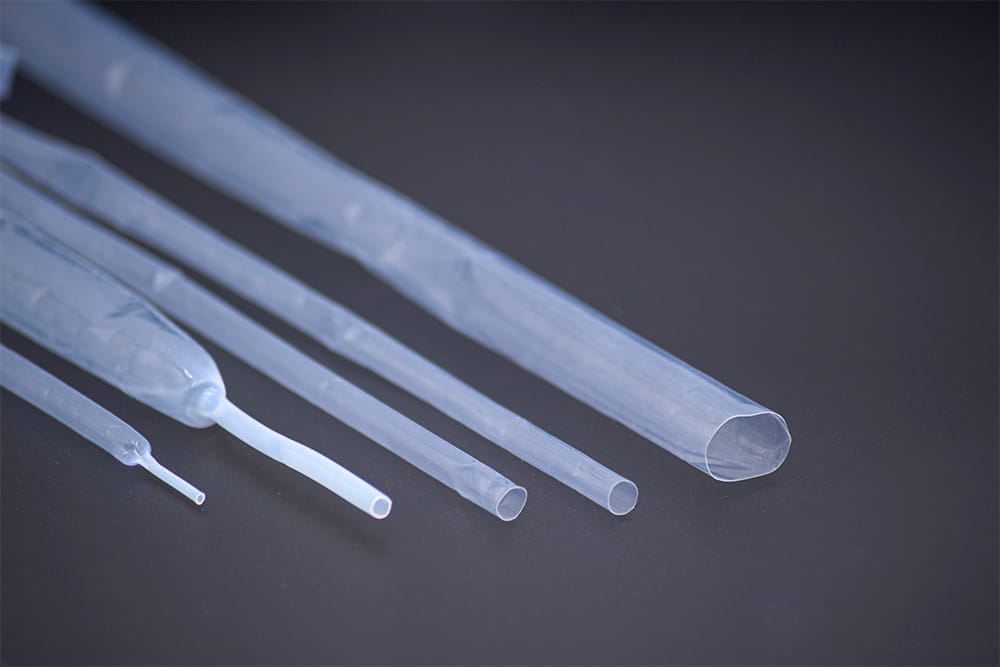 PTFE 400Heat-shrink tubing4:1-67 °C to +260 °C
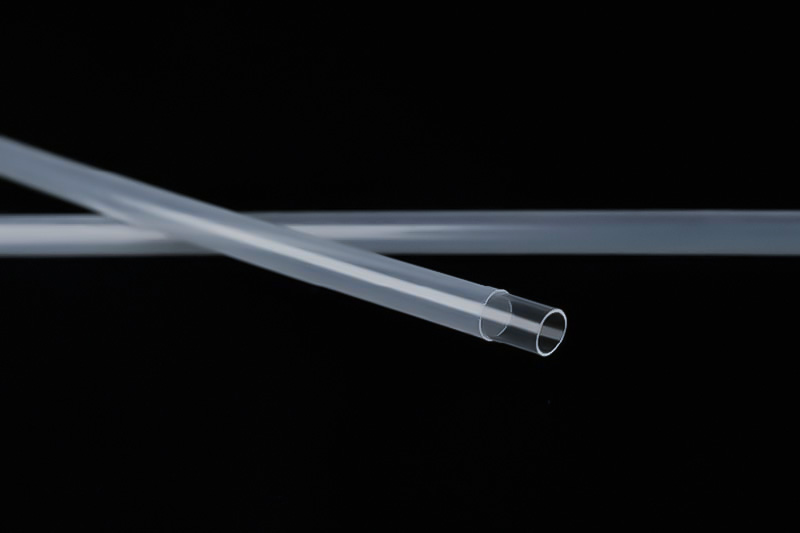 PTFE/FEPHeat-shrink tubing2:1-67 °C to +205 °C
PTFE/FEP
PTFE/FEP · PTFE/FEP
Ø 0.91 – 25.4 mm
Anti-adhesiveDual-wall heat-shrink tubing10 sizes
Details & inquiry
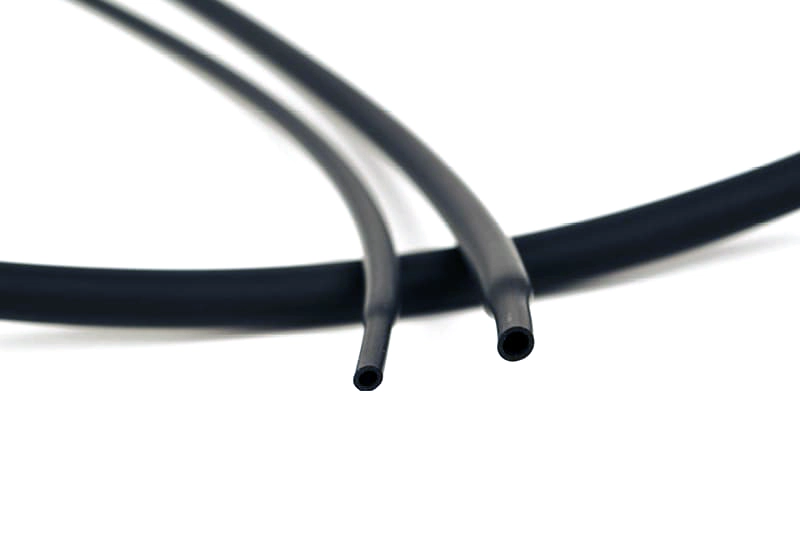 BER 100Heat-shrink tubing2:1-55 °C to +150 °C
BER 100 - diesel resistant heatshrink tube
BER 100 · Elastomer
Ø 3.2 – 97.0 mm
Medium-wallFlame-retardant11 sizes
Details & inquiry
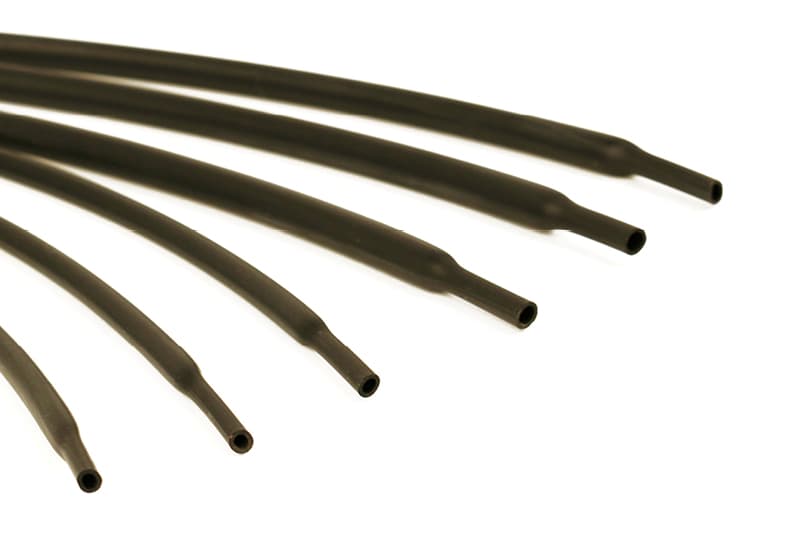 BP VITHeat-shrink tubing2:1-55 °C to +200 °C
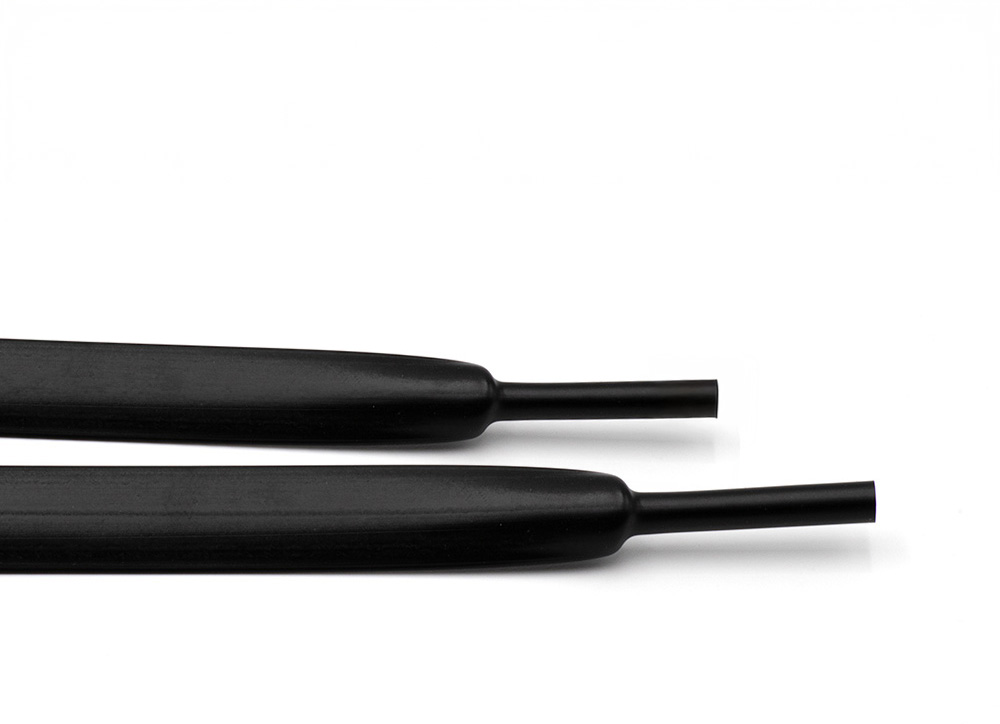 WPS 105Heat-shrink tubing2:1-30 °C to + 105 + 70 (transparent) °C
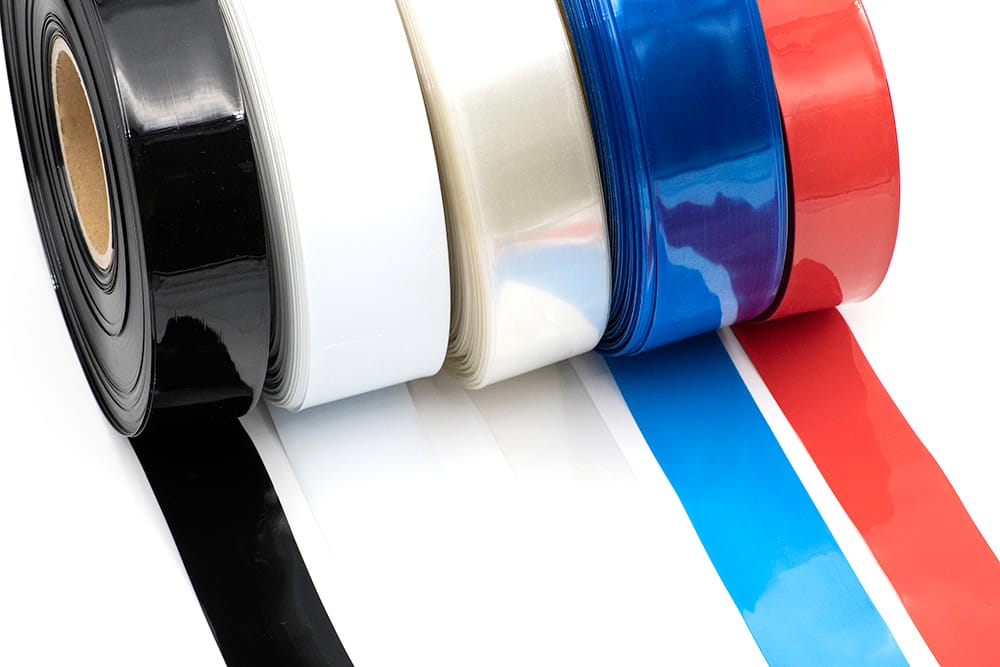 HPSHeat-shrink tubing2:1-20 °C to +85 °C
HPS - PVC heatshrink tube
HPS · Rigid PVC
Ø 2.5 – 220.0 mm
Thin-wallFlame-retardant10 sizes
Details & inquiry
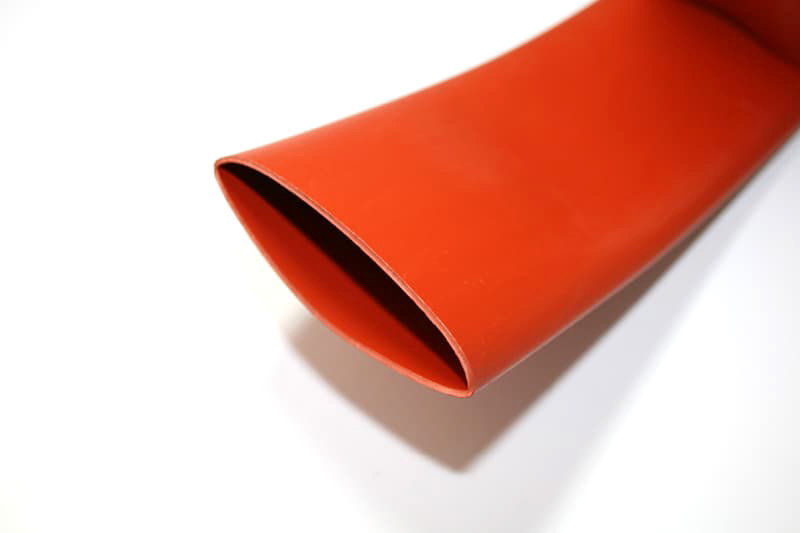 BPATTHeat-shrink tubing2:1-40 °C to 105 °C
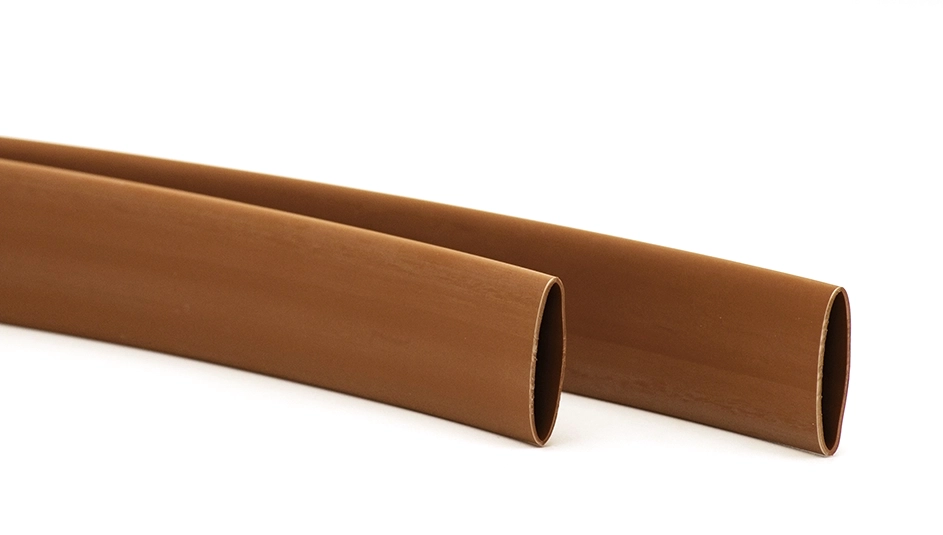 BPBTHeat-shrink tubing2,5:1-40 °C to 105 °C
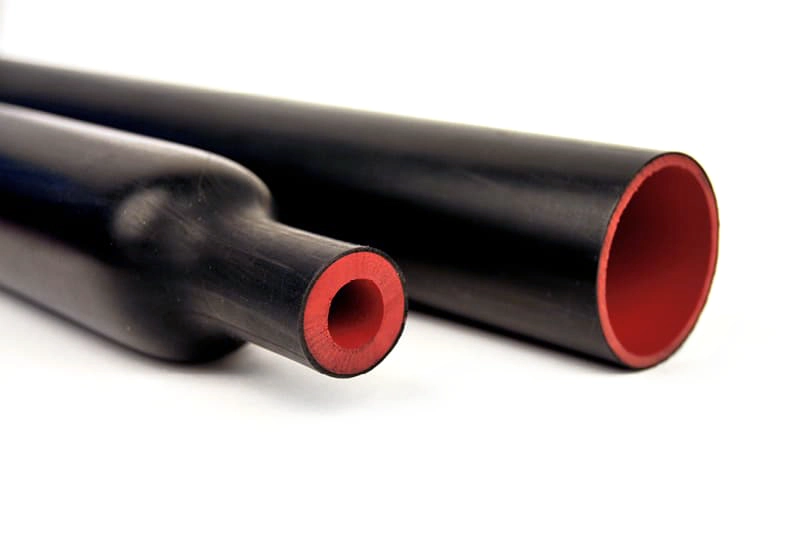 BPSCONHeat-shrink tubing2,5:1-45 °C to +105 °C
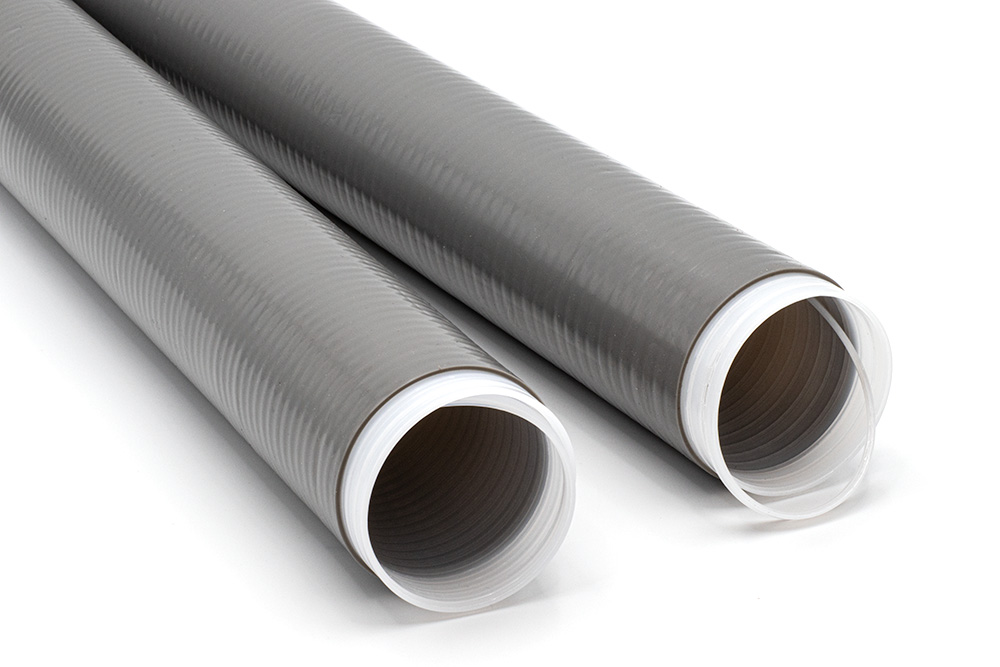 BHW CSHeat-shrink tubing2:1-60 °C to 90 °C
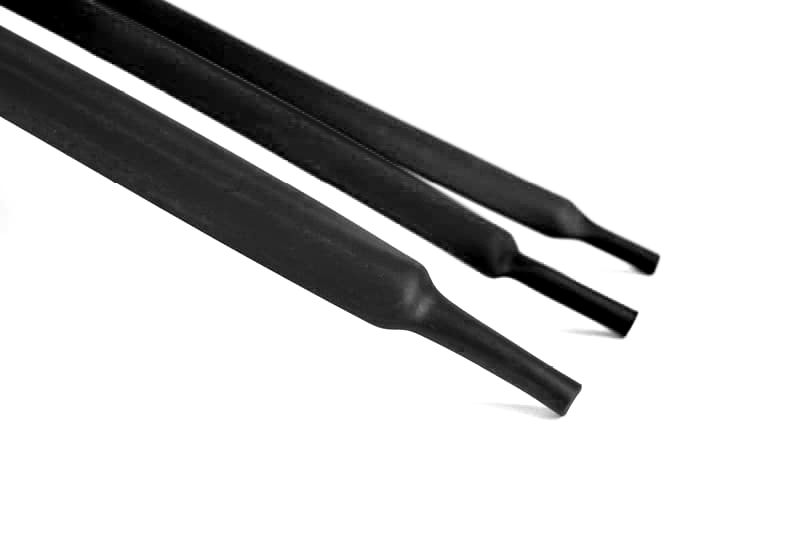 BP 150Heat-shrink tubing2:1-55 °C to +150 °C
BP 150
BP 150 · Polyolefin
Ø 1.2 – 101.6 mm
Thin-wallHigh temperature resistance18 sizes
Details & inquiry
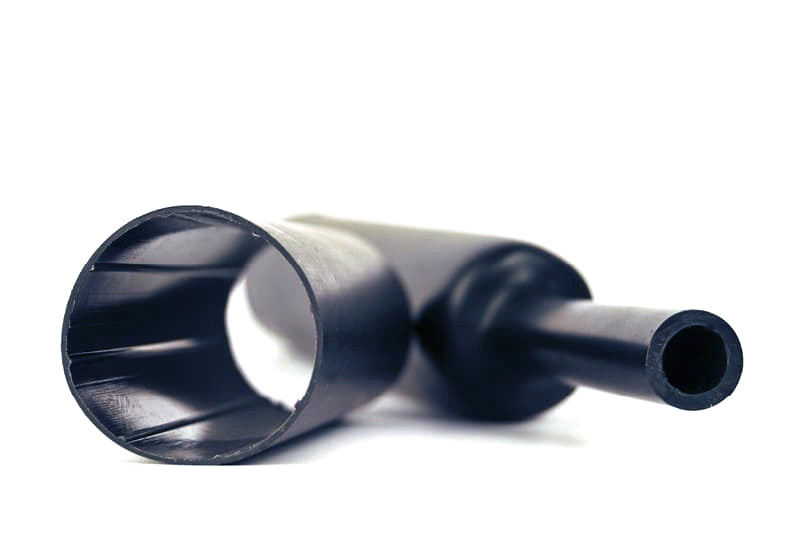 BPMW MHeat-shrink tubing3:1-35 °C to 110 °C
BPMW M
BPMW M · Polyolefin
Ø 30.0 – 350.0 mm
High electrical insulationHigh mechanical protection15 sizes
Details & inquiry
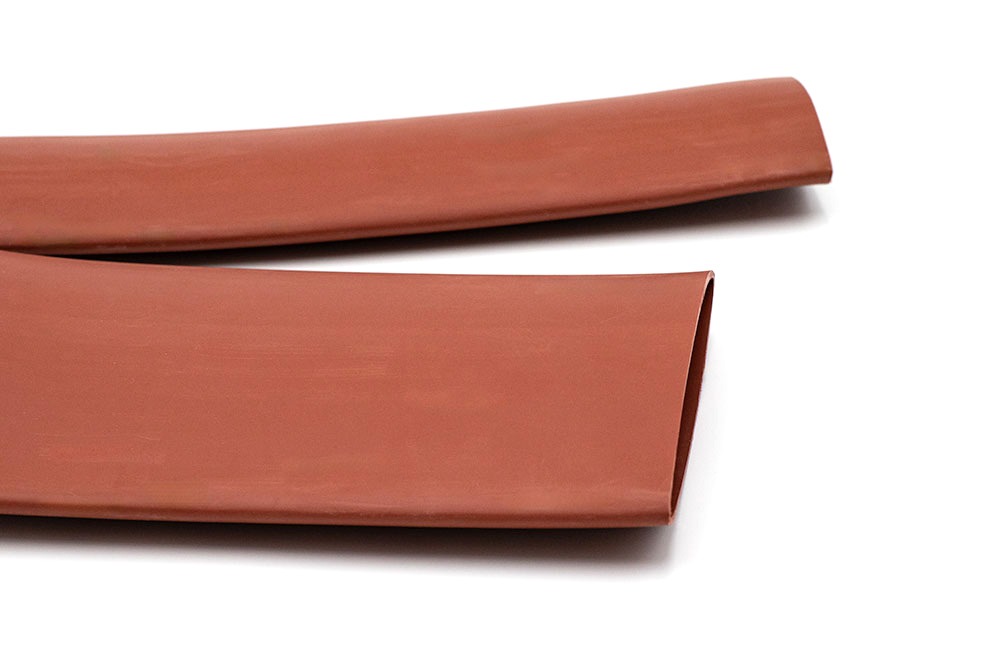 BPTMHeat-shrink tubing2,5:1-40 °C to 105 °C
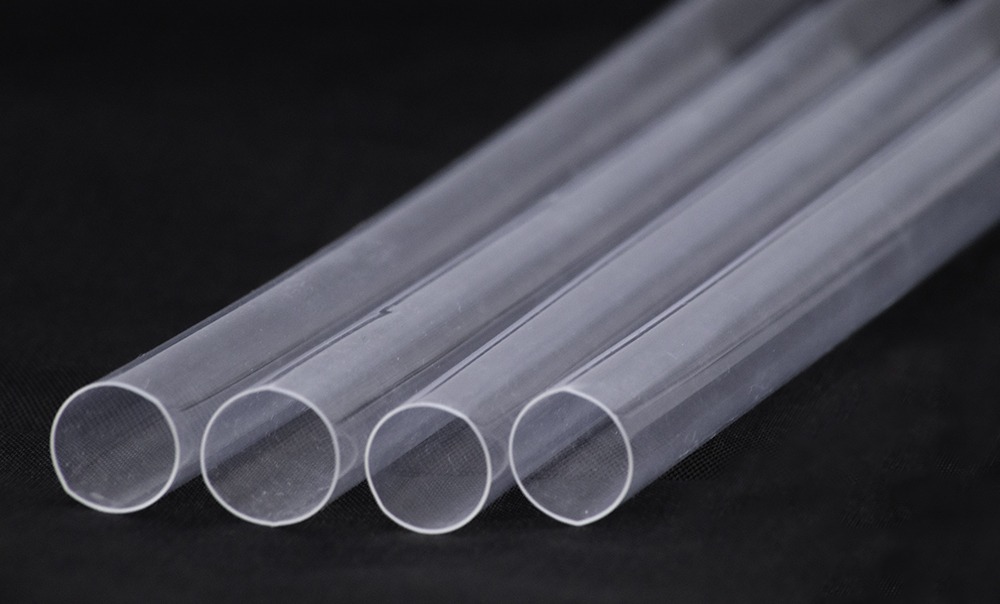 FEP 200 ULHeat-shrink tubing1,3:1-55 °C to +200 °C
FEP 200 UL - FEP heatshrink tubing
FEP 200 UL · FEP
Ø 1.95 – 14.3 mm
High temperature resistanceAcid-resistant21 sizes
Details & inquiry
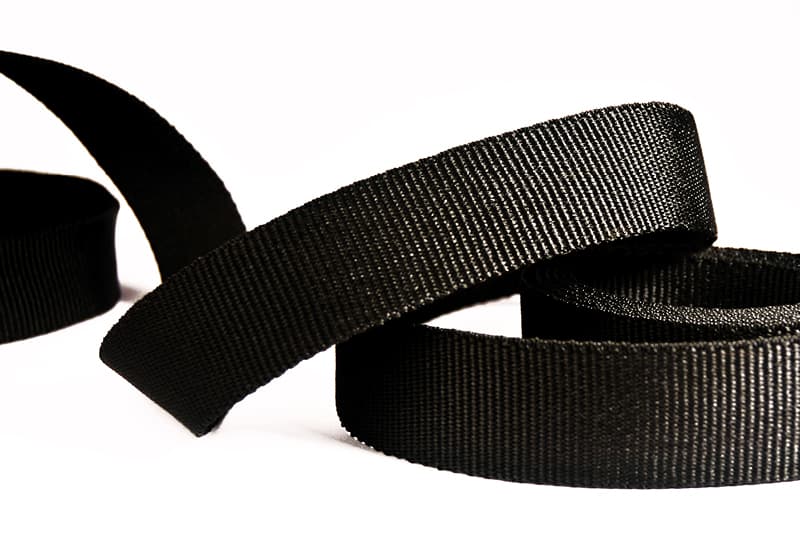 BP HSF 125Heat-shrink tubing2:1-40 °C to 125 °C
BP HSF 125
BP HSF 125 · Polyester and polyolefin fibres
Ø 6.0 – 80.0 mm
Flame-retardantFabric11 sizes
Details & inquiry
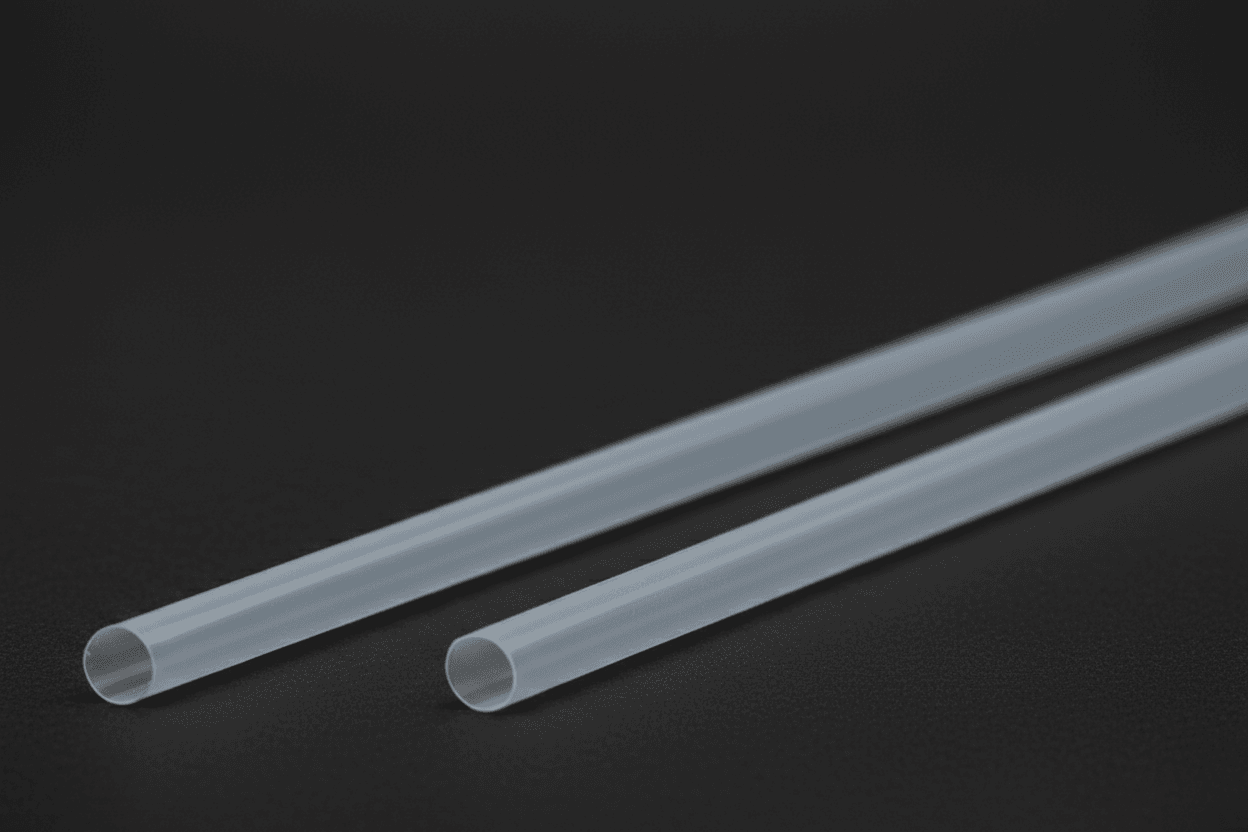 PEEK heat-shrink tubingHeat-shrink tubing-65 °C to +260 °C
PEEK Heatshrink tubing (PEEK heat-shrink tubing)
PEEK heat-shrink tubing · PEEK
Ø 0.97 – 9.96 mm
Abrasion-resistantHigh chemical resistance18 sizes
Details & inquiry
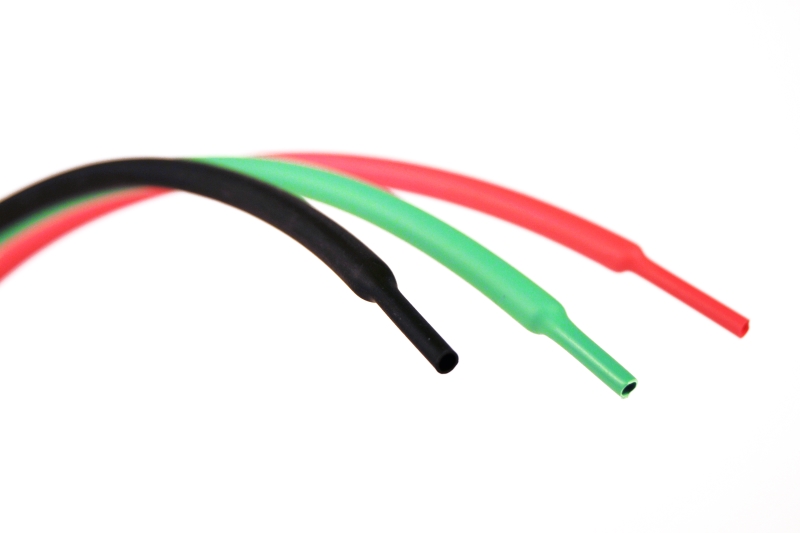 BPH 125Heat-shrink tubing2:1-55 °C to +125 °C
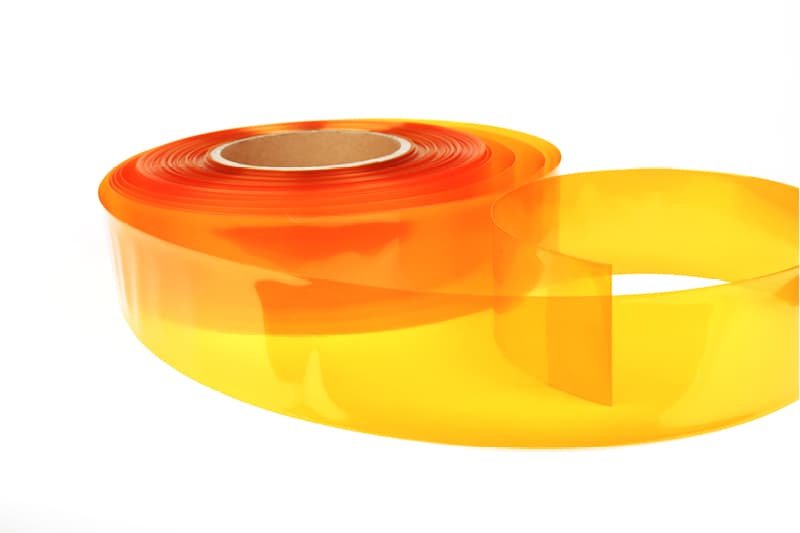 BPPETHeat-shrink tubing2:1-40 °C to 125 °C
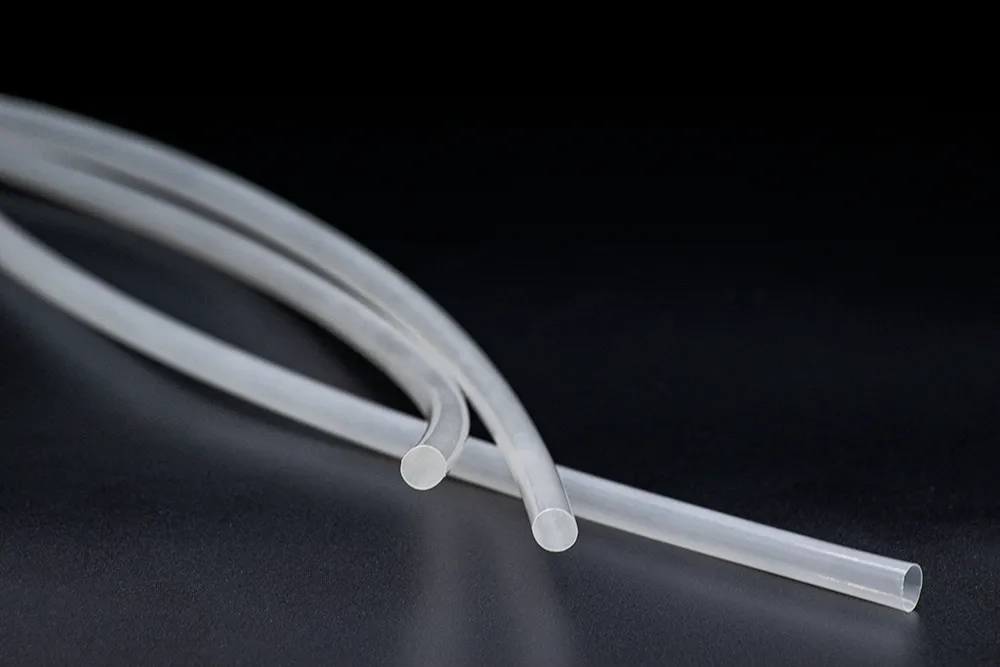 BPVDF 190 KYNAR®Heat-shrink tubing2:1-55 °C to +190 °C
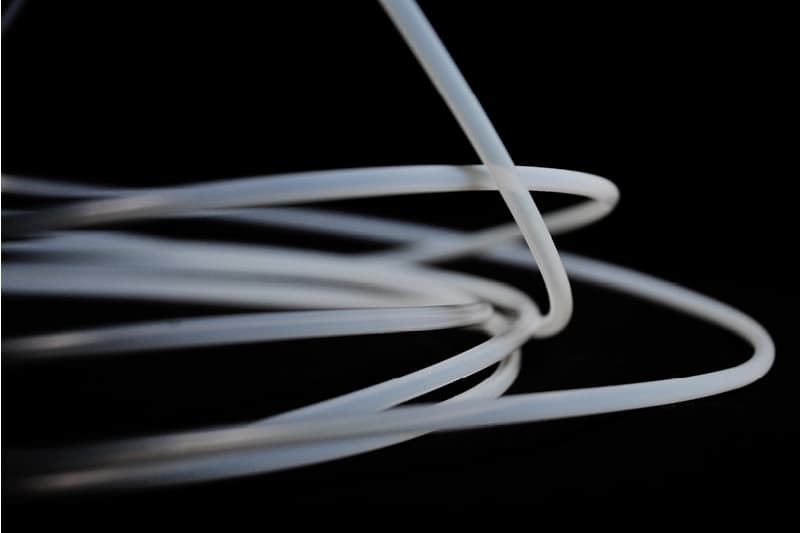 FEP HSHeat-shrink tubing1,3:1-67 °C to +205 °C
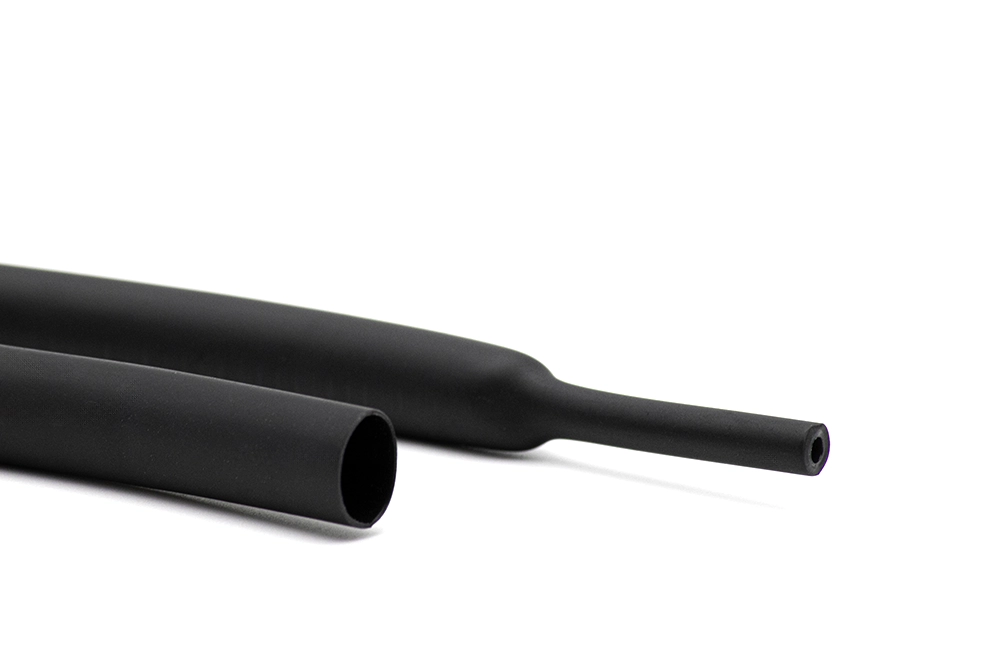 BPDW HTHeat-shrink tubing4:1-40 °C to 150 °C
BPDW HT - high temperature heatshrinkable tubing
BPDW HT · Polyolefin
Ø 8.0 – 18.0 mm
High temperature resistanceAdhesive-lined4 sizes
Details & inquiry
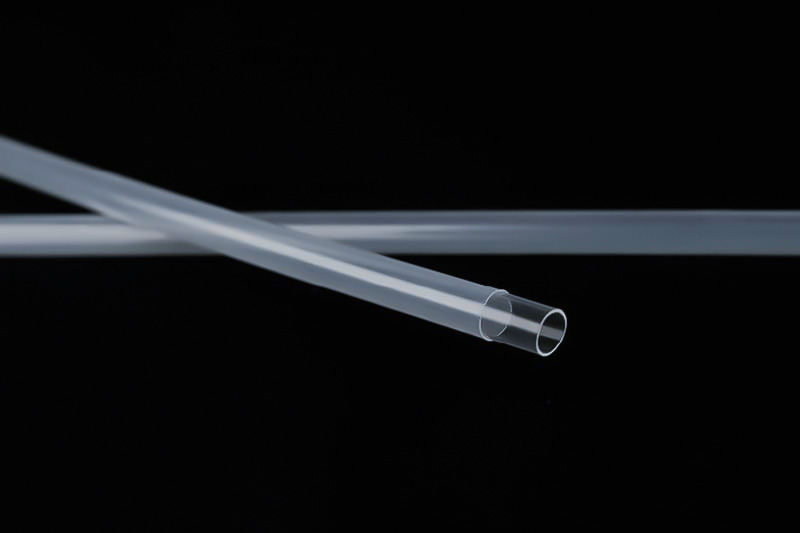 PTFE/FEP-LWHeat-shrink tubing2:1-67 °C to 205 °C
PTFE/FEP-LW
PTFE/FEP-LW · PTFE/FEP
Ø 1.65 – 25.4 mm
Anti-adhesiveDual-wall heat-shrink tubing10 sizes
Details & inquiry
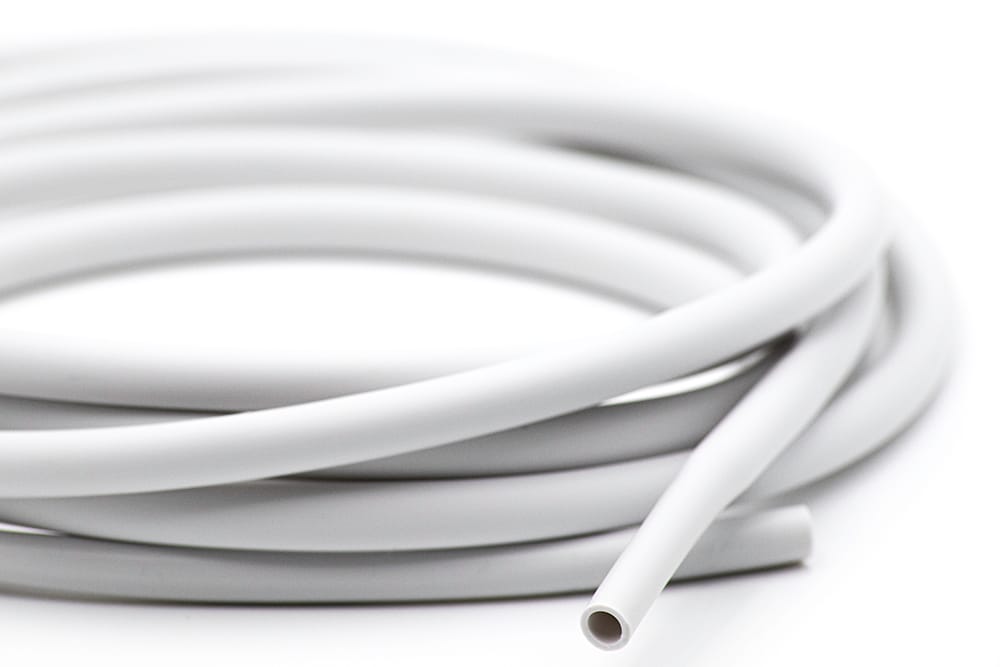 SK 250Heat-shrink tubing1,5:1-50 °C to +200 °C
SK 250
SK 250 · VMQ (silicone)
Ø 1.0 – 41.0 mm
FlexibleHigh temperature resistance17 sizes
Details & inquiry
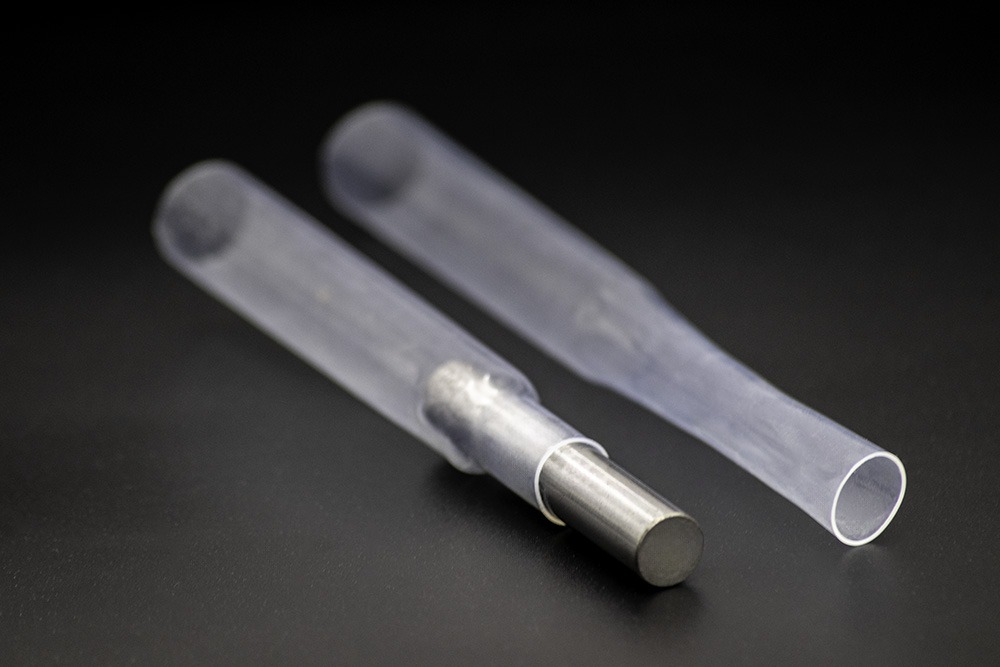 FEP RollCoverHeat-shrink tubing
Heat-shrink tubing made of polyolefin, PVC, PET, Kynar® (PVDF), PTFE, FEP, elastomer and silicone
What is heat-shrink tubing? Heat-shrink tubing is a flexible plastic tube that shrinks and tightens around an object when heated.
What types of heat-shrink tubing are available? There is a variety of heat-shrink tubing made from different materials such as polyolefin, silicone, and fluoropolymer. They come in various sizes, colors, and shrink ratios.
How is heat-shrink tubing used? To install heat-shrink tubing, it must first be slid over the object to be covered. Then, the tubing is heated using a heat gun, oven, or other heat source until it contracts to the desired size, fully enveloping the object.
BIT heat-shrink tubing made from materials like polyolefin, PVC, PET, Kynar® (PVDF), PTFE, FEP, elastomer, and silicone is produced to strict quality standards and has established itself in many fields. Depending on the application, we provide shrink tubing made from various plastics and with special properties, such as halogen-free, adhesive-coated, transparent, colored, high-temperature resistant, and more. Many of our shrink tubing products are UL 224 approved.
If you require different configurations, colors, dimensions, or custom-made solutions, please feel free to ask us. We are happy to advise you! With our knowledgeable and dedicated team, we are here to assist you in finding the optimal product solution for your application.
Heat-Shrink Tubing: An Effective Solution for Many Applications
Heat-Shrink tubing is more than just a simple tube. It is an innovative tool used in a variety of applications, from electrical installations to complex cable harnesses.
Shrink tubing is made of thermoplastic material that contracts when heated. This makes heat-shrink tubing ideal for numerous applications, especially for protecting electrical connections, bundling cables, and insulating wires.
Heat-shrink tubing: An effective solution for many applications
Heat-shrink tubing is more than just a simple tube. It is an innovative tool used in a wide range of applications, from electrical installations to complex cable harnesses. Heat-shrink tubing is made from thermoplastic material that shrinks when heated. This makes it ideal for numerous applications, particularly for protecting electrical connections, bundling cables and insulating wires.
Guides & topics
Heat-shrink tubing: all types at a glance
| Type | Description | Material | Properties | Temperature range | Dimensions |
|---|---|---|---|---|---|
| BP 105 | Polyolefin heat-shrink tube | Polyolefin | flexible, halogen-free, thin-wall | -55 °C to 105 °C | Ø 1.2 – 101.6 mm |
| BP 125 | Halogen free, UL-approved polyolefin heat-shrink tubing (HFT) | Polyolefin | flame-retardant, flexible, halogen-free, practically non-flammable, thin-wall, UL-certified | -55 °C to 125 °C | Ø 1.2 – 150.0 mm |
| BP 125 HV | BP 125 HV is a flexible heat-shrink tubing made from modified polyolefin. | Polyolefin | 1.000V, flame-retardant, flexible | -55 °C to 125 °C | Ø 15.0 – 45.0 mm |
| BP 135 | Polyolefin heat-shrink tube | Polyolefin | flame-retardant, practically non-flammable, thin-wall, UL-certified | -55 °C to 135 °C | Ø 1.2 – 150.0 mm |
| BP 135 VW-1 | UL 224 VW-1-approved polyolefin heat-shrink tube | Polyolefin | flexible, practically non-flammable, thin-wall, UL-certified | -55 °C to 135 °C | Ø 1.2 – 150.0 mm |
| BP 135 GE/GR | Yellow and green striped polyolefin heat-shrink tubing | Polyolefin | flame-retardant, flexible, halogen-free, thin-wall, UL-certified | -55 °C to 135 °C | Ø 1.2 – 101.6 mm |
| BP 300 | Polyolefin heat-shrink tube with improved shrink ratio | Polyolefin | flame-retardant, high shrink ratio, thin-wall, UL-certified | -55 °C to 135 °C | Ø 1.5 – 50.0 mm |
| BP 400 | Polyolefin high-ratio shrink tube | Polyolefin | flame-retardant, high shrink ratio, thin-wall, UL-certified | -55 °C to 125 °C | Ø 8.0 – 24.0 mm |
| BPUTW | Ultra Thin-Wall Heat Shrink Tubing | Polyolefin | flame-retardant, flexible, thin-wall, UL-certified, ultra-thin walled | -55 °C to 125 °C | Ø 0.7 – 61.0 mm |
| BPIMS 300 | Printable polyolefin heat-shrink tube | Polyolefin | flame-retardant, halogen-free, lay flat, marking heat-shrink tube, practically non-flammable, printable, thin-wall, UL-certified | -55 °C to 135 °C | Ø 2.4 – 50.8 mm |
| BPMW | UV-resistant Medium-wall polyolefin heat-shrink tube | Polyolefin | high shrink ratio, medium wall thickness, UV-resistant | -55 °C to 110 °C | Ø 9.0 – 350.0 mm |
| BPTW | Thick-wall polyolefin heat-shrink tube | Polyolefin | heavy-wall/thick-wall, high shrink ratio, UV-resistant | -55 °C to 110 °C | Ø 9.0 – 350.0 mm |
| BPDW 100 | Adhesive-lined heat-shrink tube | Polyolefin | adhesive-lined, flame-retardant, high shrink ratio, practically non-flammable, UL-certified | -55 °C to 125 °C | Ø 3.0 – 39.0 mm |
| BPDW 102 | Adhesive-lined heat-shrink tube | Polyolefin | adhesive-lined, flame-retardant, practically non-flammable, thin-wall, UL-certified | -55 °C to 125 °C | Ø 1.6 – 25.4 mm |
| BPDW 104 | Adhesive-lined high-ratio shrink tube | Polyolefin | adhesive-lined, flame-retardant, high shrink ratio, practically non-flammable, UL-certified | -55 °C to 125 °C | Ø 4.0 – 52.0 mm |
| BPBK | Adhesive-lined high-ratio shrink tube | Polyolefin | adhesive-lined, flame-retardant, practically non-flammable, UL-certified | -40 °C to 125 °C | Ø 5.7 – 17.8 mm |
| BPMW A | Adhesive-lined medium-wall heat-shrink tube | Polyolefin | adhesive-lined, high shrink ratio, medium wall thickness, UV-resistant | -55 °C to 110 °C | Ø 9.0 – 350.0 mm |
| BPTW A | Adhesive-lined thick-wall heat-shrink tube | Polyolefin | adhesive-lined, heavy-wall/thick-wall, high shrink ratio, UV-resistant | -55 °C to 110 °C | Ø 9.0 – 350.0 mm |
| BPHW A | Adhesive-lined heavy-wall high-ratio shrink tube | Polyolefin | adhesive-lined, heavy-wall/thick-wall, high shrink ratio | -55 °C to 110 °C | Ø 19.0 – 235.0 mm |
| BPVDF 175 KYNAR® | KYNAR PVDF heat-shrink tube | PVDF (KYNAR®) | practically non-flammable, self-extinguishing, thin-wall, UL-certified, UV-resistant | -55 °C to +175 °C | Ø 1.2 – 38.1 mm |
| PTFE 200 AWG | PTFE heat-shrink tube | PTFE | anti-adhesive, high chemical resistance, high temperature resistance, non-flammable, thin-wall | -67 °C to 260 °C | Ø 0.6 – 11.95 mm |
| PTFE 400 | PTFE high-ratio shrink tube | PTFE | anti-adhesive, high chemical resistance, high temperature resistance, non-flammable, thin-wall, very high shrink ratio | -67 °C to +260 °C | Ø 1.98 – 101.6 mm |
| PTFE/FEP | PTFE/FEP dual heat-shrink tubing | PTFE/FEP | anti-adhesive, dual heat-shrink tubing, high chemical resistance, high temperature resistance, non-flammable | -67 °C to +205 °C | Ø 0.91 – 25.4 mm |
| BER 100 | Diesel resistant cross-linked elastomer heat-shrink tube | Elastomer | medium wall thickness, practically non-flammable, self-extinguishing | -55 °C to +150 °C | Ø 3.2 – 97.0 mm |
| BP VIT | Fluoroelastomer heat-shrink tube | FKM | flame-retardant, flexible, high chemical resistance, high temperature resistance | -55 °C to +200 °C | Ø 3.2 – 50.8 mm |
| WPS 105 | Soft PVC heat-shrink tube | Soft PVC | flame-retardant, flexible, thin-wall | -30 °C to + 105 + 70 (transparent) °C | Ø 2.4 – 101.6 mm |
| HPS | Hard PVC heat-shrink tube | Hard PVC | flame-retardant, thin-wall | -20 °C to +85 °C | Ø 2.5 – 220.0 mm |
| BPATT | Anti-tracking, creepage-resistant heat-shrink tube | Polyolefin | creepage-resistant, medium wall thickness | -40 °C to 105 °C | Ø 30.0 – 160.0 mm |
| BPBT | Heat-shrink tube for bus bars and conductors | Polyolefin | creepage-resistant, halogen-free, heavy-wall/thick-wall | -40 °C to 105 °C | Ø 20.0 – 230.0 mm |
| BPSCON | Semi-conductive heat-shrink tube | Polyolefin | heavy-wall/thick-wall, semiconductive | -45 °C to +105 °C | Ø 35.0 – 140.0 mm |
| BHW CS | Silicone cold-shrink tube | VMQ | cold-shrink tube | -60 °C to 90 °C | Ø 20.0 – 104.0 mm |
| BP 150 | High-temperature-resistant heat-shrink tubing made from cross-linked polyolefin | Polyolefin | flame-retardant, high temperature resistance, practically non-flammable, thin-wall | -55 °C to +150 °C | Ø 1.2 – 101.6 mm |
| BPMW M | Medium wall polyolefin heat shrink tubing with mastic coating. | Polyolefin | high electrical insulation, high mechan. Protection, medium wall thickness | -35 °C to 110 °C | Ø 30.0 – 350.0 mm |
| BPTM | Heat-shrink tubing for busbars | Polyolefin | halogen-free, medium wall thickness | -40 °C to 105 °C | Ø 15.0 – 265.0 mm |
| FEP 200 UL | FEP 200 UL is semi-rigid, highly transparent, abrasion-resistant FEP heat shrink tubing. | FEP | corrosion-resistant, high chemical resistance, high temperature resistance, UL-certified | -55 °C to +200 °C | Ø 1.95 – 14.3 mm |
| BP HSF 125 | Fabric heat-shrink tube | Polyester- and Polyolefin fibers | flame-retardant, halogen-free, mesh weave | -40 °C to 125 °C | Ø 6.0 – 80.0 mm |
| PEEK Schrumpfschlauch | PEEK heatshrink tubing | PEEK | abrasion resistant, high chemical resistance, high temperature resistance | -65 °C to +260 °C | Ø 0.97 – 9.96 mm |
| BPH 125 | Thin-wall polyolefin heat-shrink tube | Polyolefin | flame-retardant, flexible, thin-wall | -55 °C to +125 °C | Ø 1.2 – 150.0 mm |
| BPPET | PET heat-shrink tube | Polyester | halogen-free, thin-wall | -40 °C to 125 °C | Ø 2.0 – 95.0 mm |
| BPVDF 190 KYNAR® | PVDF heat-shrink tube | PVDF (KYNAR®) | thin-wall | -55 °C to +190 °C | Ø 1.2 – 12.7 mm |
| FEP HS | FEP heat-shrink tube | FEP | anti-adhesive, high chemical resistance, high temperature resistance | -67 °C to +205 °C | Ø 0.78 – 25.4 mm |
| BPDW HT | Adhesive-lined heat-shrink tube with increased thermal resistance | Polyolefin | adhesive-lined, high temperature resistance, very high shrink ratio | -40 °C to 150 °C | Ø 8.0 – 18.0 mm |
| PTFE/FEP-LW | Thin-wall PTFE/FEP dual heat-shrink tubing | PTFE/FEP | anti-adhesive, dual heat-shrink tubing, high chemical resistance, high temperature resistance, non-flammable, thin-wall | -67 °C to 205 °C | Ø 1.65 – 25.4 mm |
| SK 250 | Silicone shrink tube | VMQ | flexible, high temperature resistance | -50 °C to +200 °C | Ø 1.0 – 41.0 mm |
| FEP RollCover | FEP roll shrink tubing | FEP | anti-adhesive, UV-resistant | – | – |
Frequently asked questions: Heat-shrink tubing
What is shrink tubing used for?
Heat-shrink tubing is often used to insulate, protect, and reinforce electrical cables and wires. It can also be used to coat objects like tools and handles to provide added grip and insulation.
What does shrink ratio mean for shrink tubing?
The shrink ratio (also known as shrink factor) for heat-shrink tubing refers to the ratio between the initial diameter of the shrink tubing and the diameter it reaches after being heated and contracted. This ratio is expressed as a number, such as 2:1, 3:1, 4:1, or 6:1. The shrink ratio is an important factor when choosing the right heat-shrink tubing for a specific application. It must match the diameter of the material to be insulated or connected and the specific requirements for shrinkage. Depending on the application, a higher shrink ratio may be required to ensure better sealing or insulation.
What are the advantages of heat-shrink tubing?
Shrink tubing provides excellent insulation, protection, and support for cables and other objects. It is also easy to apply and can be used in various environments, including wet or corrosive conditions.
Can heat-shrink tubing be removed after installation?
Removing shrink tubing after installation can be difficult because it shrinks tightly around the object. However, there are tools like cutting tools to cut and remove the tubing.
How do you choose the right size and shrink ratio for heat-shrink tubing?
The size of the heat-shrink tubing should be chosen to fit the object it will cover when fully shrunk. The shrink ratio should be chosen to be sufficient to fit the tubing around the object but not so large that it shrinks excessively.
Can heat-shrink tubing be reused?
Shrink tubing cannot be reused after its initial application.
Are there special heat-shrink tubing for use in high-temperature environments?
Yes, there are heat-shrink tubing products specifically designed for use in high-temperature environments, such as in the aviation industry or high-performance engines. These tubing materials have higher melting points, such as PTFE, and can withstand temperatures of up to 260°C.
Can heat-shrink tubing be printed?
Yes, there are shrink tubing products designed for labeling purposes. At BIT, it is possible to have shrink tubing customized printed according to your requirements and needs. Whether it’s a company logo, brand name, barcode, or consecutive serial number, almost anything is possible.
How should heat-shrink tubing be stored?
Shrink tubing should be stored in a cool, dry place to prevent deformation or deterioration. It is also important to protect it from direct sunlight, moisture, and dirt.
How do you remove heat-shrink tubing?
To remove shrink tubing, it can be carefully cut with a sharp knife. However, care should be taken not to damage the object that the tubing encases.
What are the benefits of using heat-shrink tubing?
Shrink tubing offers an effective way to insulate electrical connections, prevent corrosion, and protect electronic components. It is easy to install and provides excellent resistance to moisture, chemicals, and other environmental factors.
Can heat-shrink tubing be used outdoors?
Yes, there are shrink tubing products specifically designed for outdoor use, offering additional resistance to UV radiation and other environmental factors.
Can heat-shrink tubing be cut to the desired length?
Yes, shrink tubing can be cut to the desired length before installation. BIT offers tubing assembly with tight length tolerances, high cutting accuracy, and flexible implementation with very short lead times.
How can premature shrinking of heat-shrink tubing be prevented?
To prevent premature shrinking of shrink tubing, it should be stored in a cool, dry place and protected from direct sunlight and high temperatures.
Can heat-shrink tubing be purchased in different colors?
Yes, shrink tubing is available in a variety of colors to meet different requirements and needs. The color can also help with the identification of cables or other components.
What applications are heat-shrink tubing suitable for?
Heat-Shrink tubing is highly versatile and suitable for a wide range of applications. Some of the most common applications include: Electrical Engineering/Power Technology: Shrink tubing is often used in electrical engineering to insulate and protect cables and wires. It can also be used to protect electronic components such as circuit boards and connectors. Mechanics: In mechanics, shrink tubing is frequently used to protect and insulate pipes and hoses. It can also be used to label and identify tools and other equipment. Automotive: In the automotive industry, shrink tubing is used for insulating and protecting cables and wires. It can also be used to repair damage to cables or hoses. Medical Technology: Shrink tubing can also be used in the medical field, such as in the production of catheter or endoscope tubing. In general, shrink tubing can be used in any area where the protection, insulation, or labeling of cables, hoses, or devices is required.
Frequently asked questions about heat-shrink tubing
What is heat-shrink tubing?
Heat-shrink tubing is a flexible plastic tube which shrinks when heated and tightens around the object it surrounds.
What types of heat-shrink tubing are there?
There is a wide range of heat-shrink tubing available, made from various materials such as polyolefin, silicone and fluoroplastic. It is available in a variety of sizes, colours and shrink ratios.
How is heat-shrink tubing used?
To fit heat-shrink tubing, it must first be slipped over the object to be covered. The tubing is then heated using a heat gun, an oven or another heat source until it shrinks to the desired size and completely covers the object.
What is heat-shrink tubing used for?
Heat-shrink tubing is often used to insulate, protect and reinforce electrical cables and wires. It can also be used to coat objects such as tools and handles to provide extra grip and insulation.
What does the shrink ratio mean in the case of heat-shrink tubing?
The shrink ratio (also known as the shrinkage ratio) of a heat-shrink tubing refers to the ratio between the tubing’s original diameter and the diameter it reaches after being heated and shrinking. This ratio is expressed as a number, for example 2:1, 3:1, 4:1 or 6:1. The shrink ratio is an important factor when selecting the correct heat-shrink tubing for a specific application. It must be compatible with the diameter of the material to be insulated or joined, as well as the specific shrinkage requirements. Depending on the application, a higher shrink ratio may be required to ensure a better seal or insulation.
What are the advantages of heat-shrink tubing?
Heat-shrink tubing provides excellent insulation, protection and support for cables and other objects. It is also easy to use and can be employed in a wide variety of environments, including damp or corrosive ones.
How do you choose the right size and shrink ratio for heat-shrink tubing?
The size of the heat-shrink tubing should be chosen so that it fits the object to be encased when it has shrunk completely. The shrink ratio should be chosen so that it is sufficient to fit the tubing around the object, but not so high that it shrinks excessively. The wall thickness of the heat-shrink tubing should also be taken into account. Heat-shrink tubing is available in thin-walled, medium-walled and thick-walled varieties.
Is heat-shrink tubing available in different colours?
As well as black heat-shrink tubing, we also stock many types of heat-shrink tubing in various colours or in a transparent finish. Coloured heat-shrink tubing is ideal for colour-coding cables and wires. We offer our polyolefin heat-shrink tubing in black, red, white, blue, yellow, green, orange, brown, grey, yellow-green and transparent. Special colours are also available on request.
Are there any special heat-shrink tubing products designed for use in high-temperature environments?
Yes, there are heat-shrink tubing products that have been specifically developed for use in high-temperature environments, such as in the aerospace industry or in high-performance engines. These tubing products are made from materials with higher melting points, such as PTFE. They can withstand temperatures of up to 260 °C.
Can you write on heat-shrink tubing?
Yes, there are heat-shrink tubing products designed specifically for labelling. At BIT, you can have heat-shrink tubing printed to meet your requirements and preferences. Whether it’s a company logo, brand name, barcode or sequential serial number – almost anything is possible.
What is the best way to store heat-shrink tubing?
Heat-shrink tubing should be stored in a cool, dry place to prevent deformation or deterioration. It is also important to protect it from direct sunlight, moisture and dirt.
How do you remove heat-shrink tubing?
To remove heat-shrink tubing, it can be carefully cut open with a sharp knife. However, it is important to take care not to damage the object that the tubing is wrapped around.
What are the advantages of using heat-shrink tubing?
Heat-shrink tubing offers an effective way of insulating electrical connections, preventing corrosion and protecting electronic components. It is easy to install and offers excellent resistance to moisture, chemicals and other environmental factors.
Can heat-shrink tubing also be used outdoors?
Yes, there are heat-shrink tubing products that have been specially developed for outdoor use and offer additional resistance to UV radiation and other environmental factors.
Can heat-shrink tubing be cut to the required length?
Yes, heat-shrink tubing can be cut to the required length before installation. BIT offers a tubing assembly service that ensures tight length tolerances, high cutting precision and flexible production, combined with very short lead times.
How can you prevent heat-shrink tubing from shrinking prematurely?
To prevent heat-shrink tubing from shrinking prematurely, it should be stored in a cool, dry place and protected from direct sunlight and high temperatures.
Can you buy heat-shrink tubing in different colours?
Yes, heat-shrink tubing is available in a wide range of colours to meet a variety of requirements and needs. The colour can also help to make it easier to identify cables or other components.
What applications are heat-shrink tubing suitable for?
Heat-shrink tubing is extremely versatile and suitable for a wide range of applications. Some of the most common applications are: Electrical engineering/power engineering: Heat-shrink tubing is often used in electrical engineering to insulate and protect cables and wires. It can also be used to protect electronic components such as printed circuit boards and connectors. Mechanical engineering: In mechanical engineering, heat-shrink tubing is often used to protect and insulate pipes and hoses. Woven heat-shrink tubing is also frequently used as anti-rattle protection. Automotive: In the automotive industry, heat-shrink tubing is used to insulate and protect cables and lines. It can also be used to repair damage to cables or hoses. Medical technology: Heat-shrink tubing can also be used in the medical sector, for example in the manufacture of tubing for catheters or endoscopes. As a general rule, heat-shrink tubing can be used in all areas where protection, insulation or marking of cables, hoses or equipment is required.
Looking for a specific version?
Other dimensions, colours or custom designs – talk to us, we will be happy to advise you.
Contact us